The Colours of Tweed
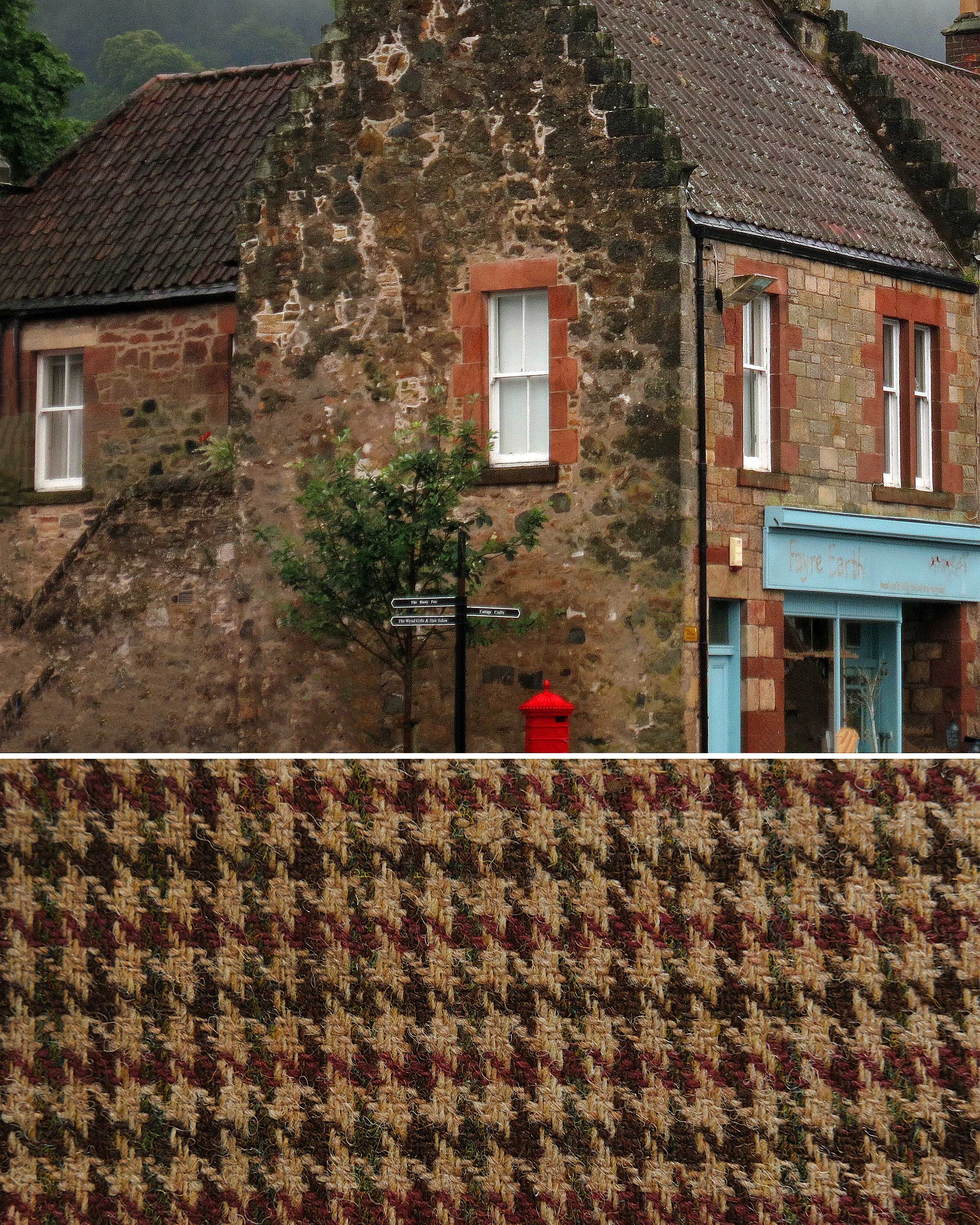
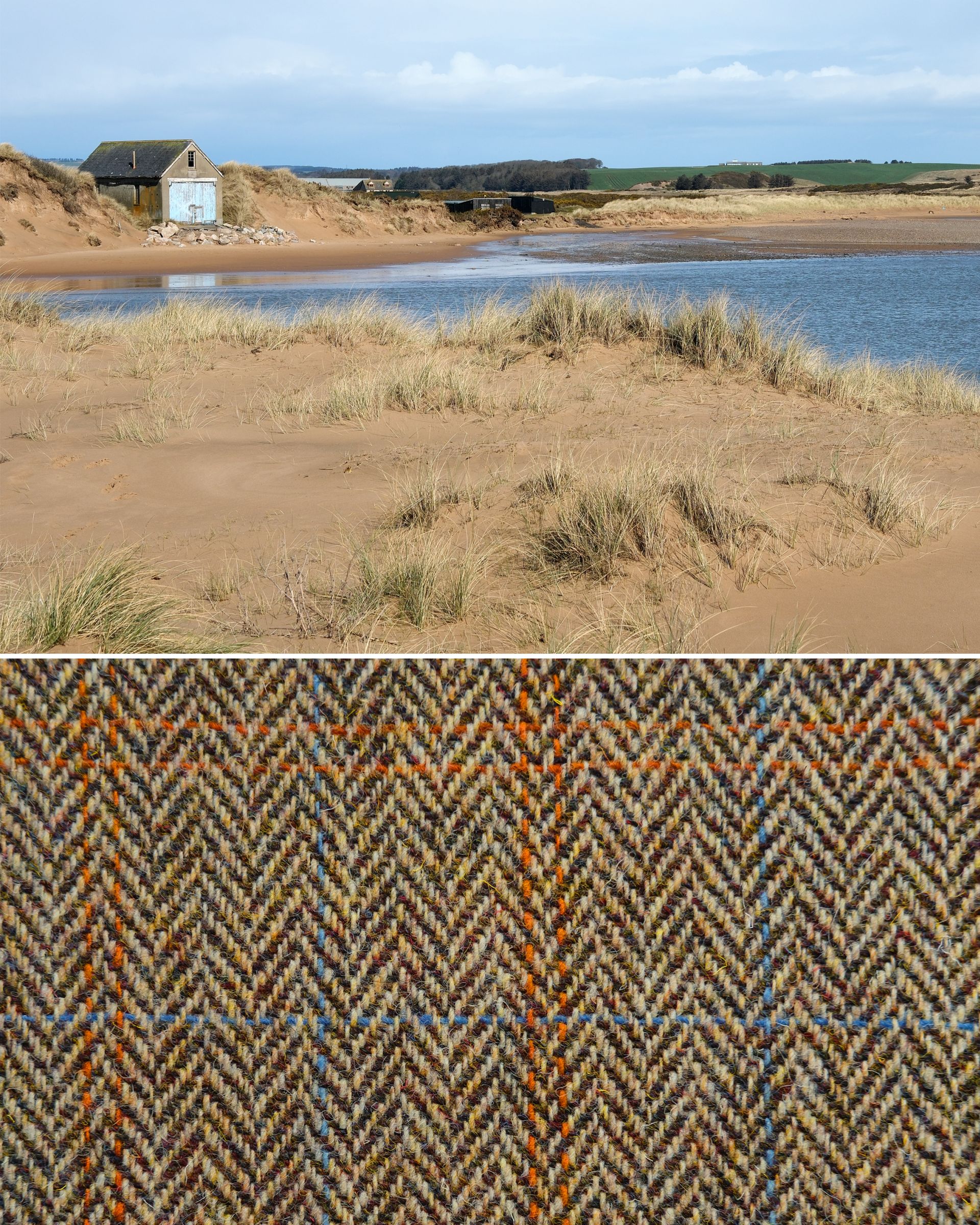
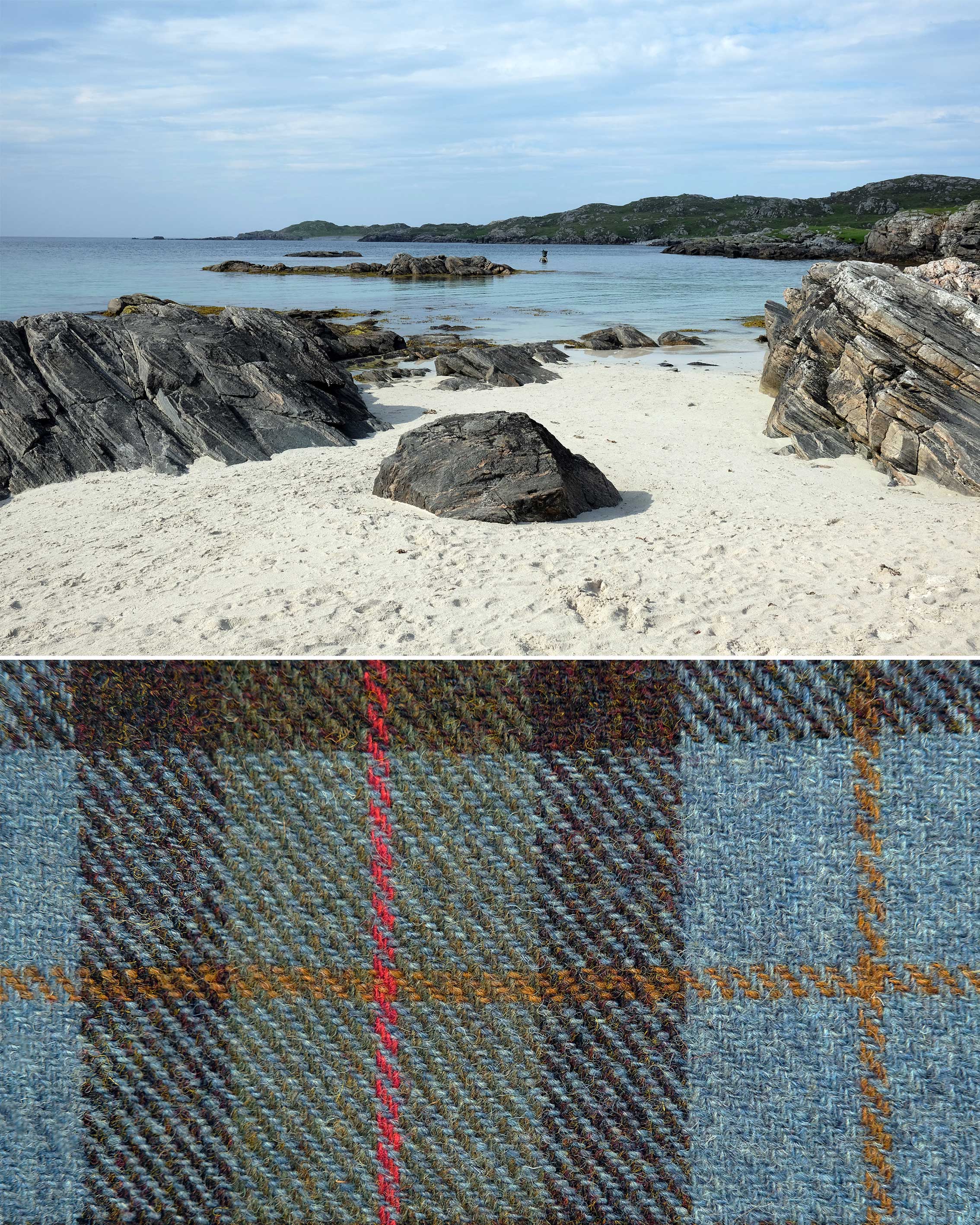
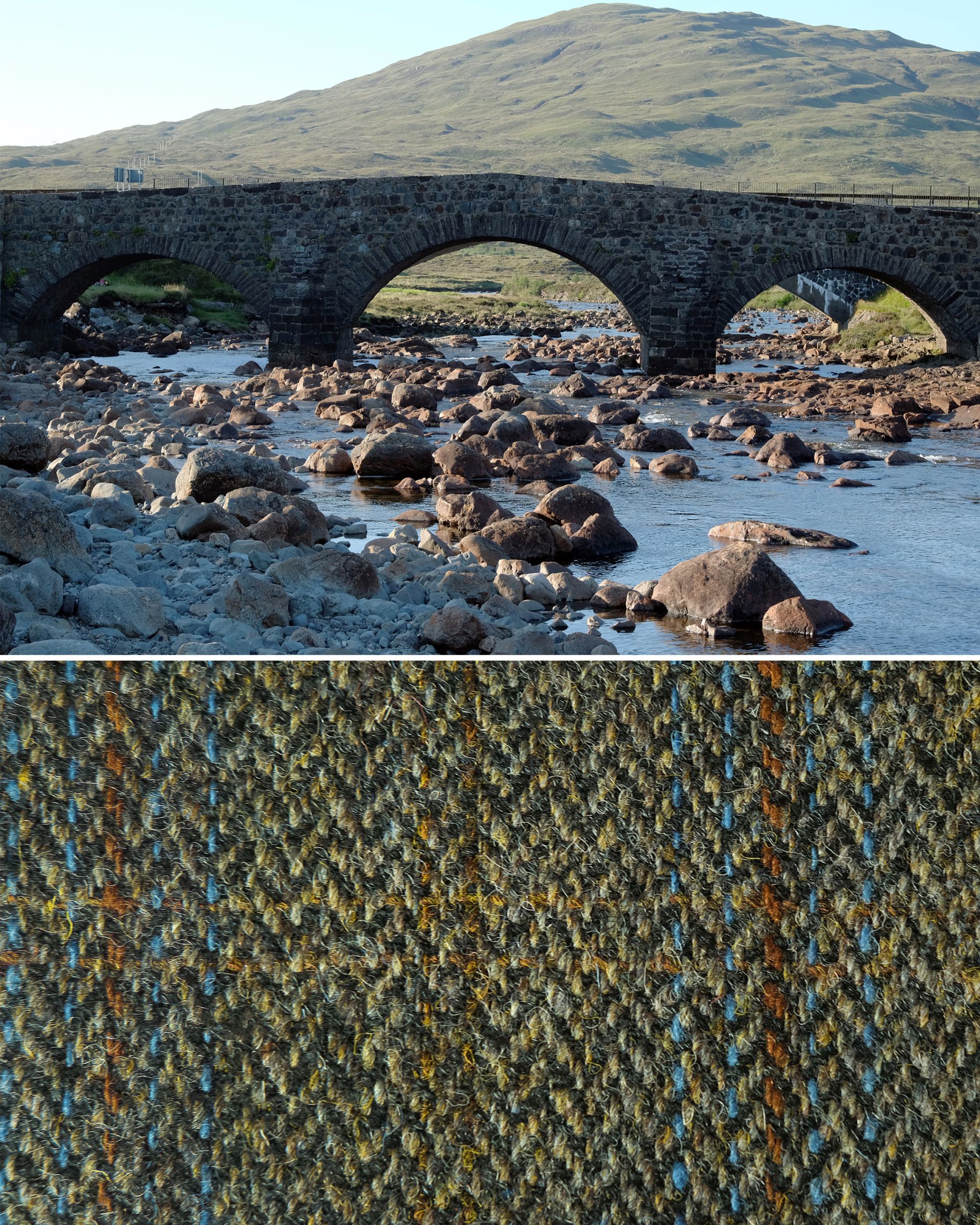
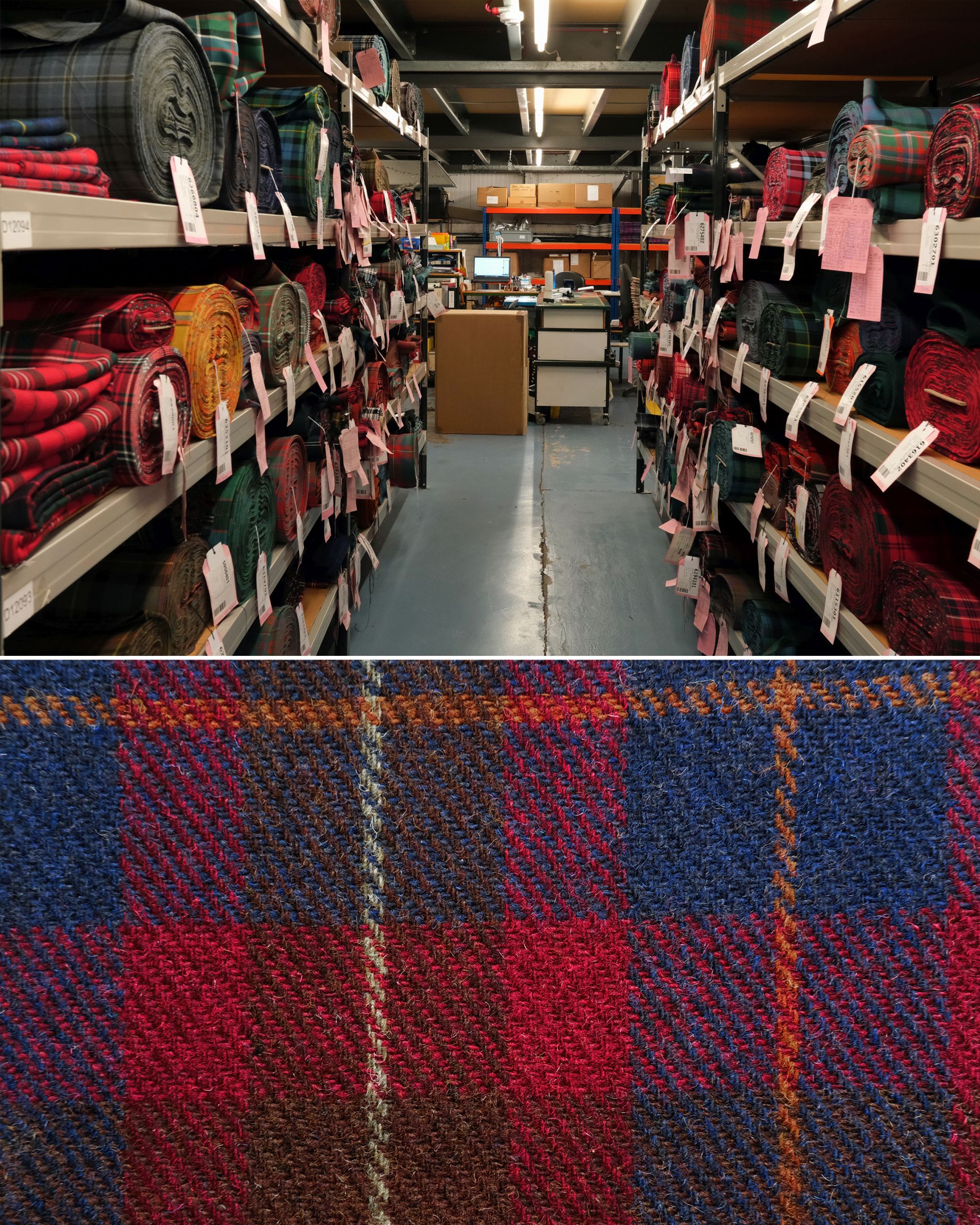
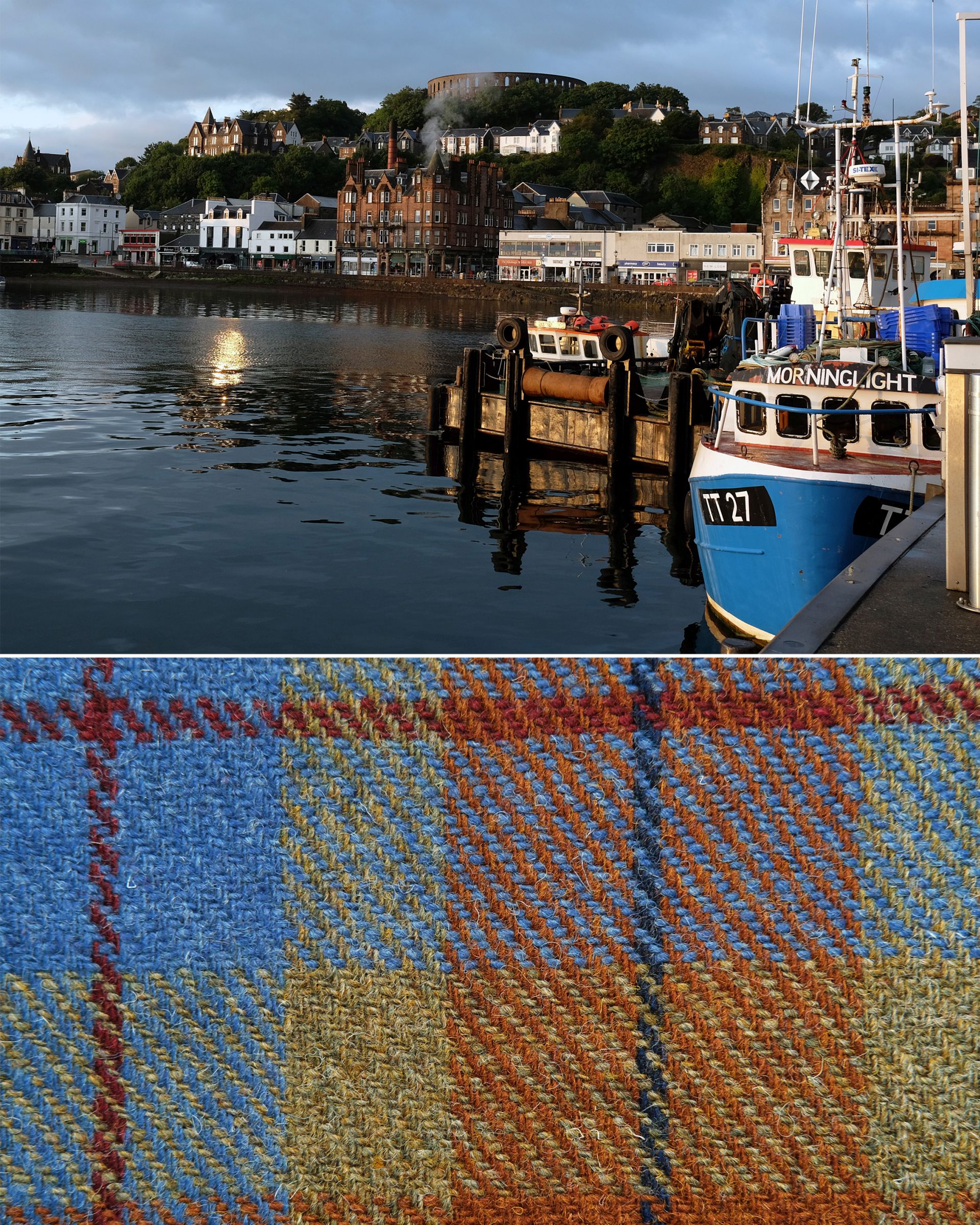
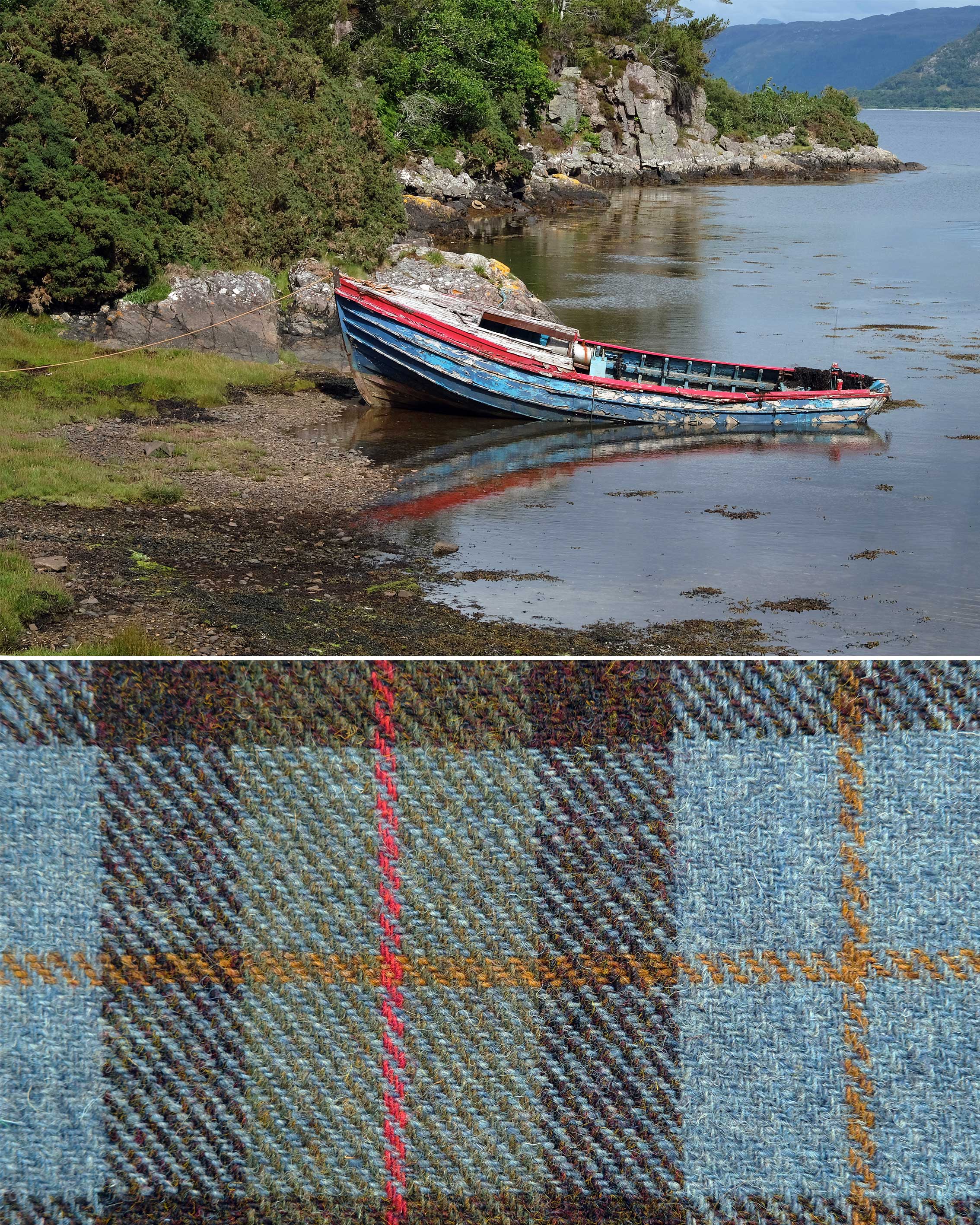
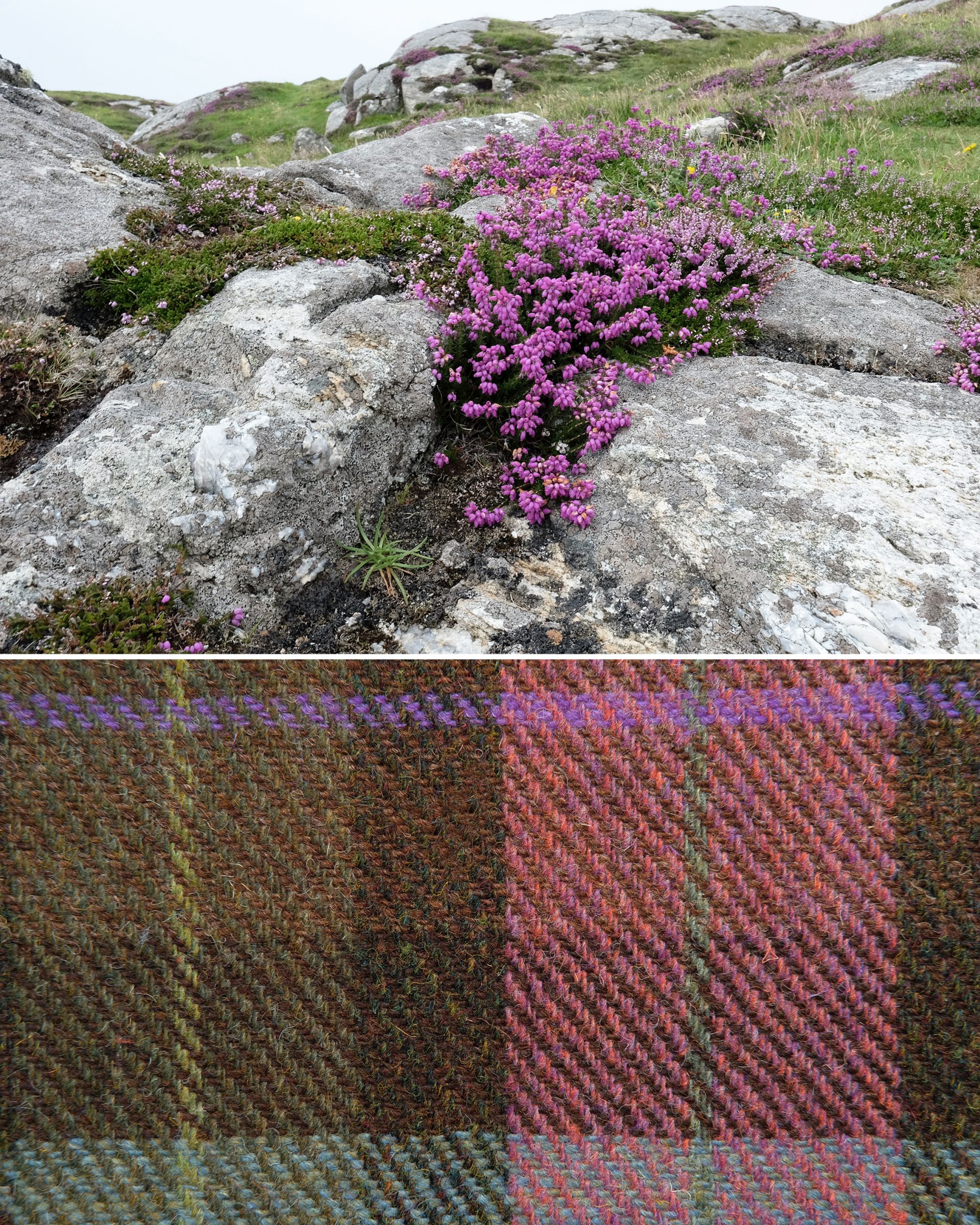
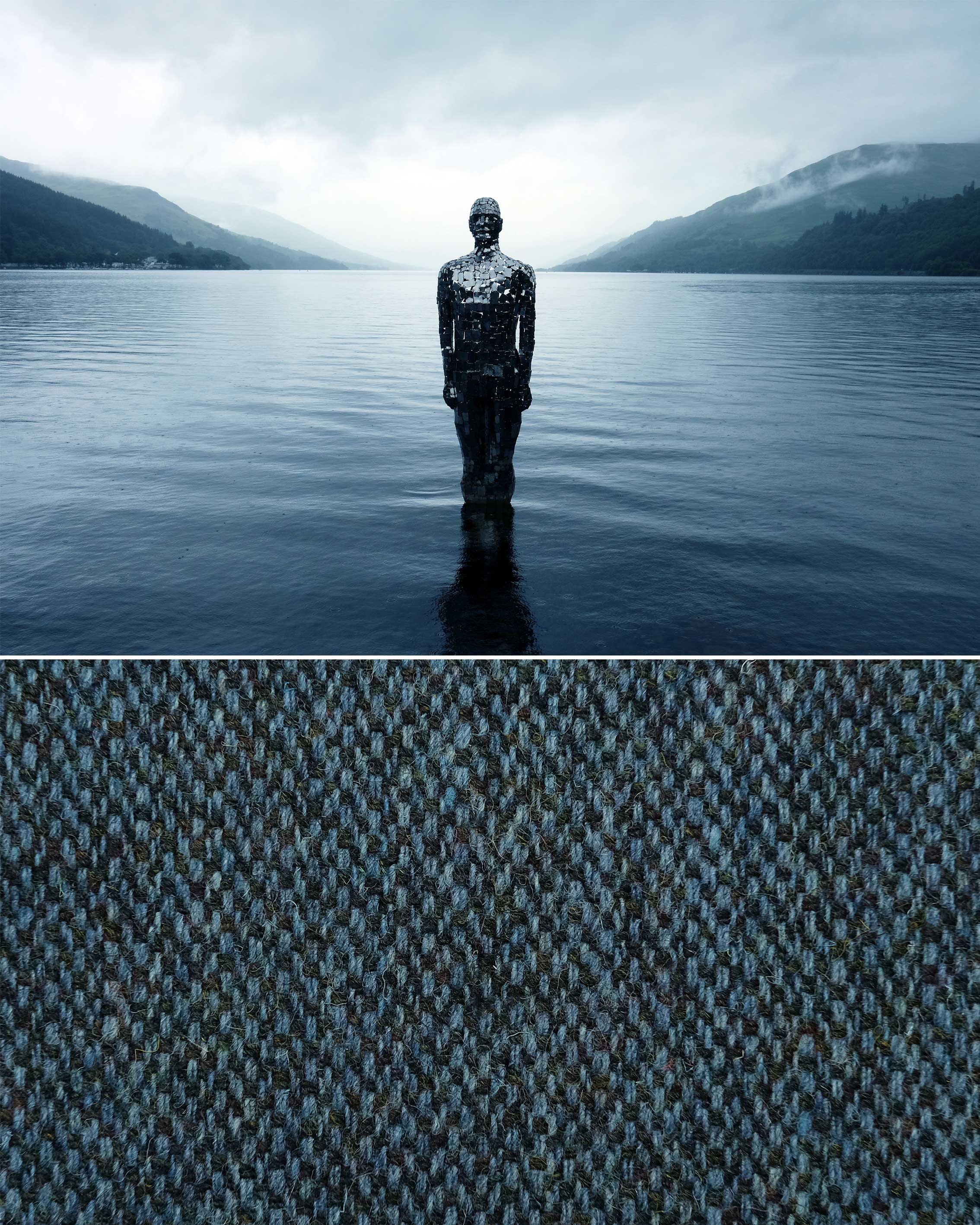
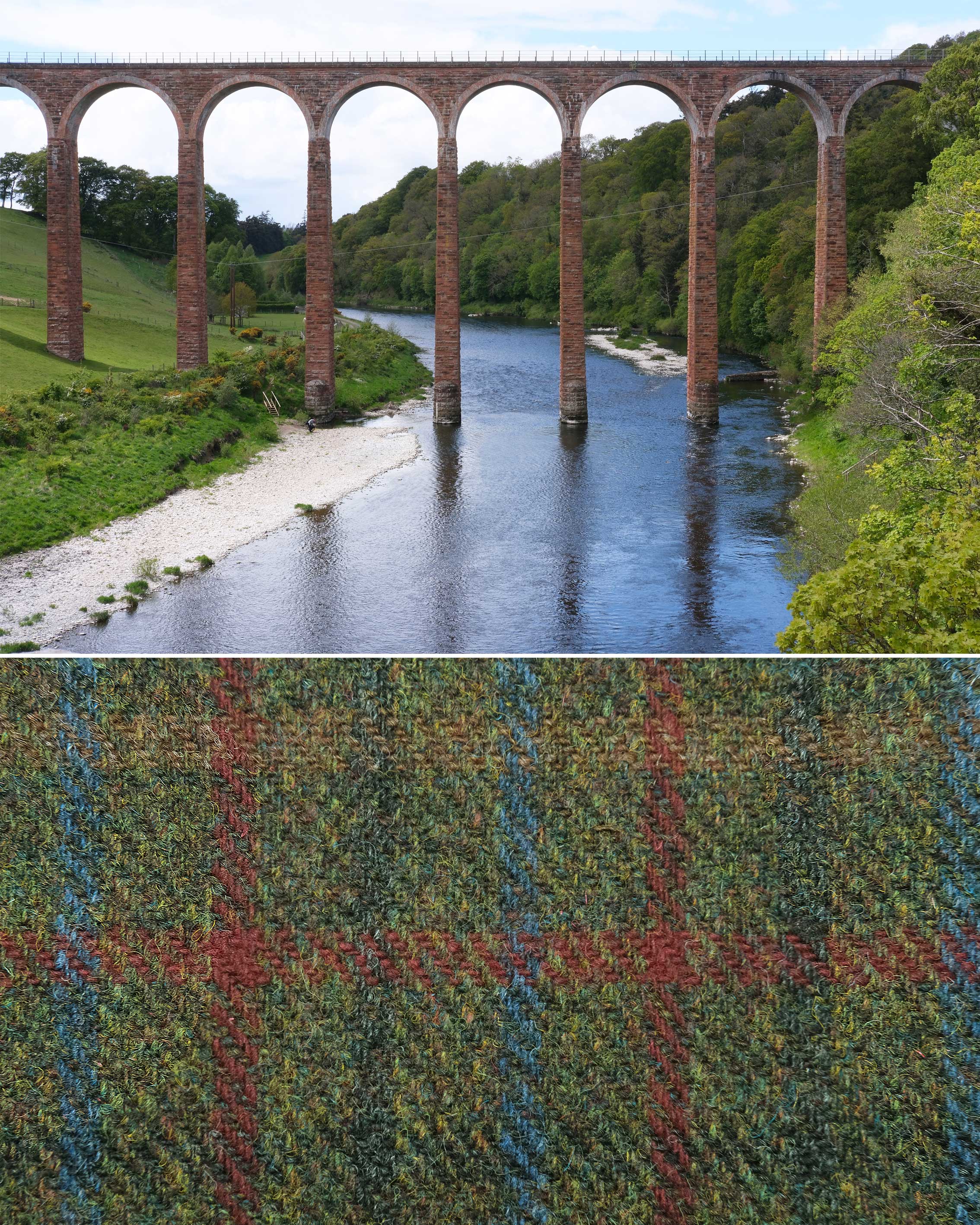
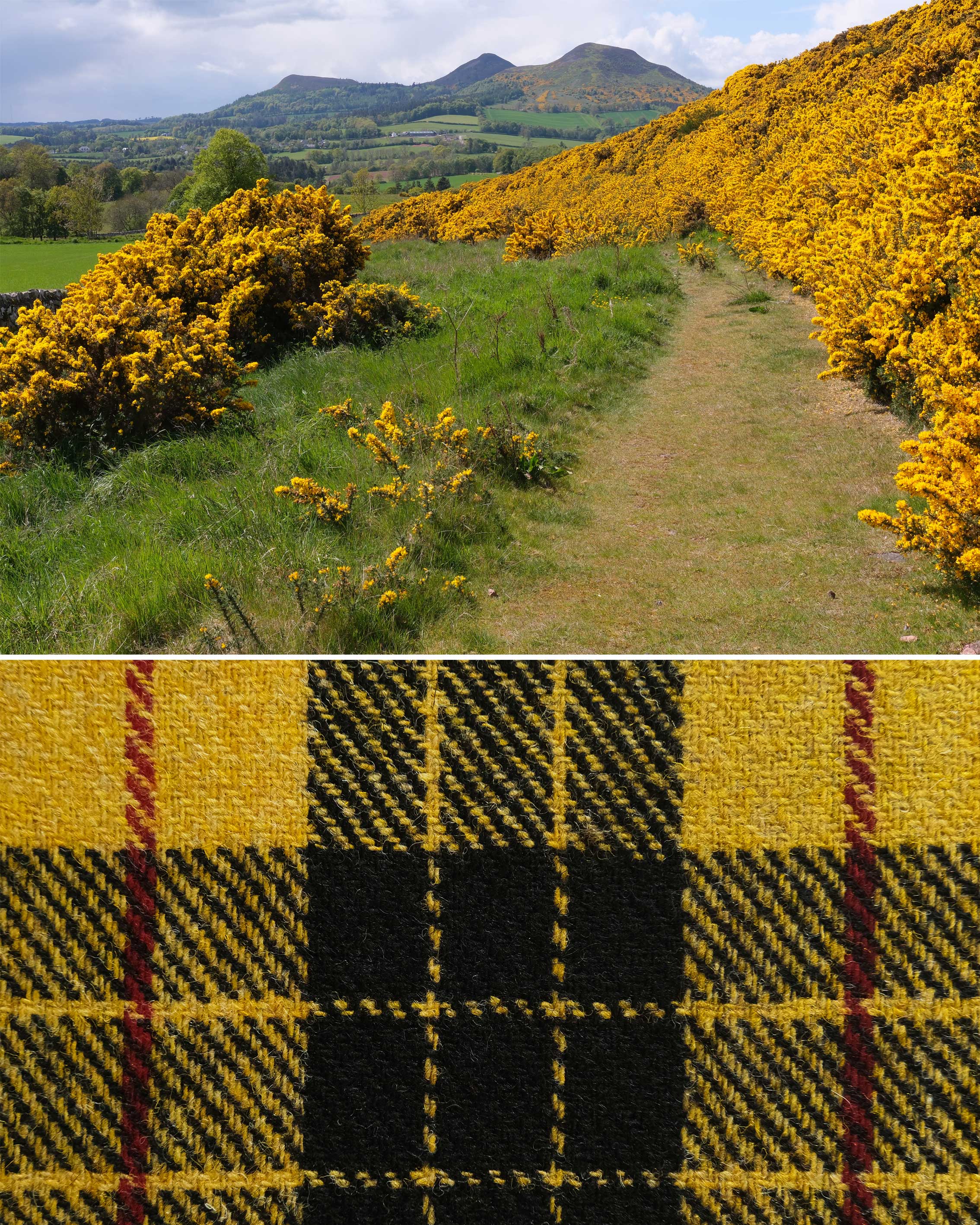
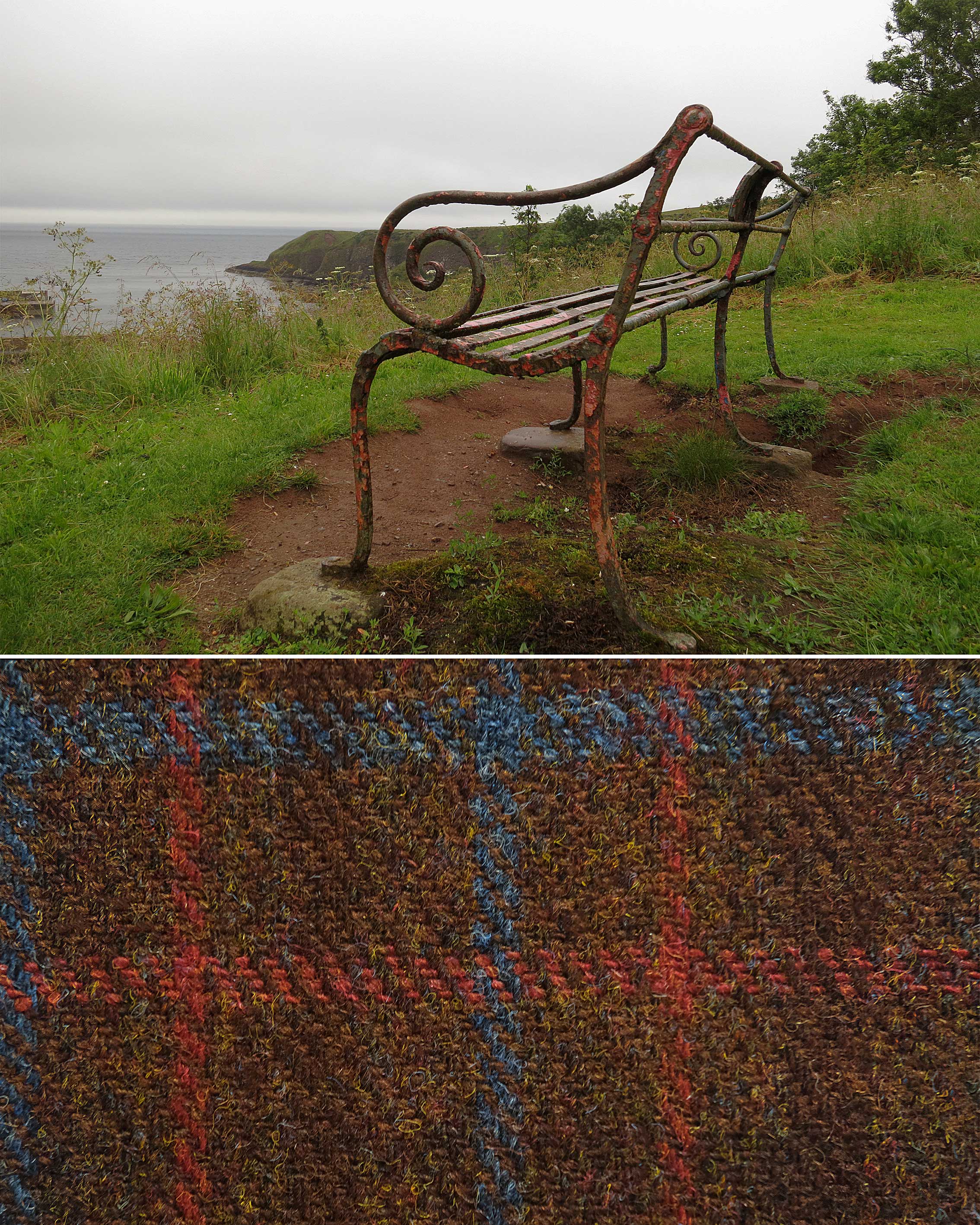
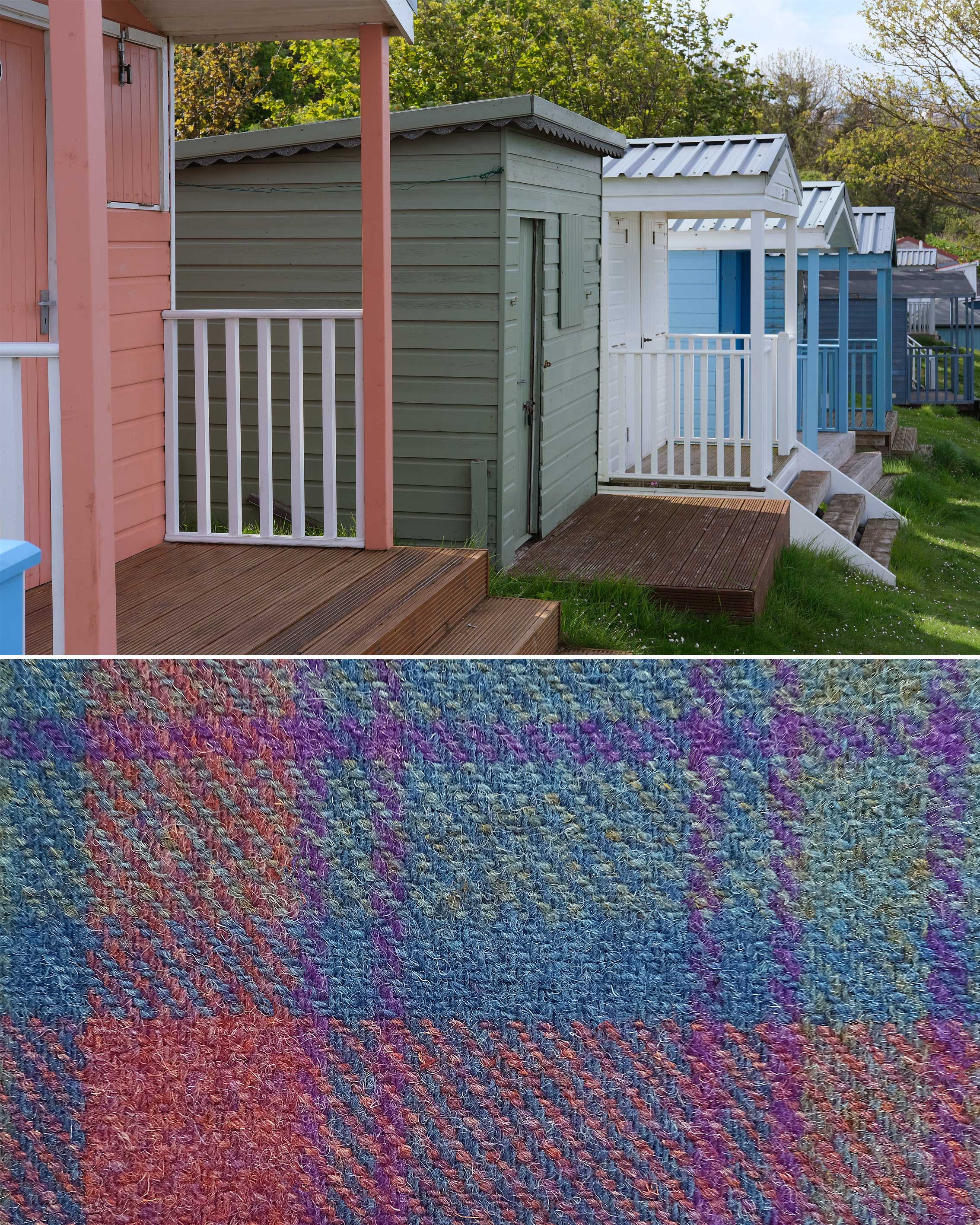
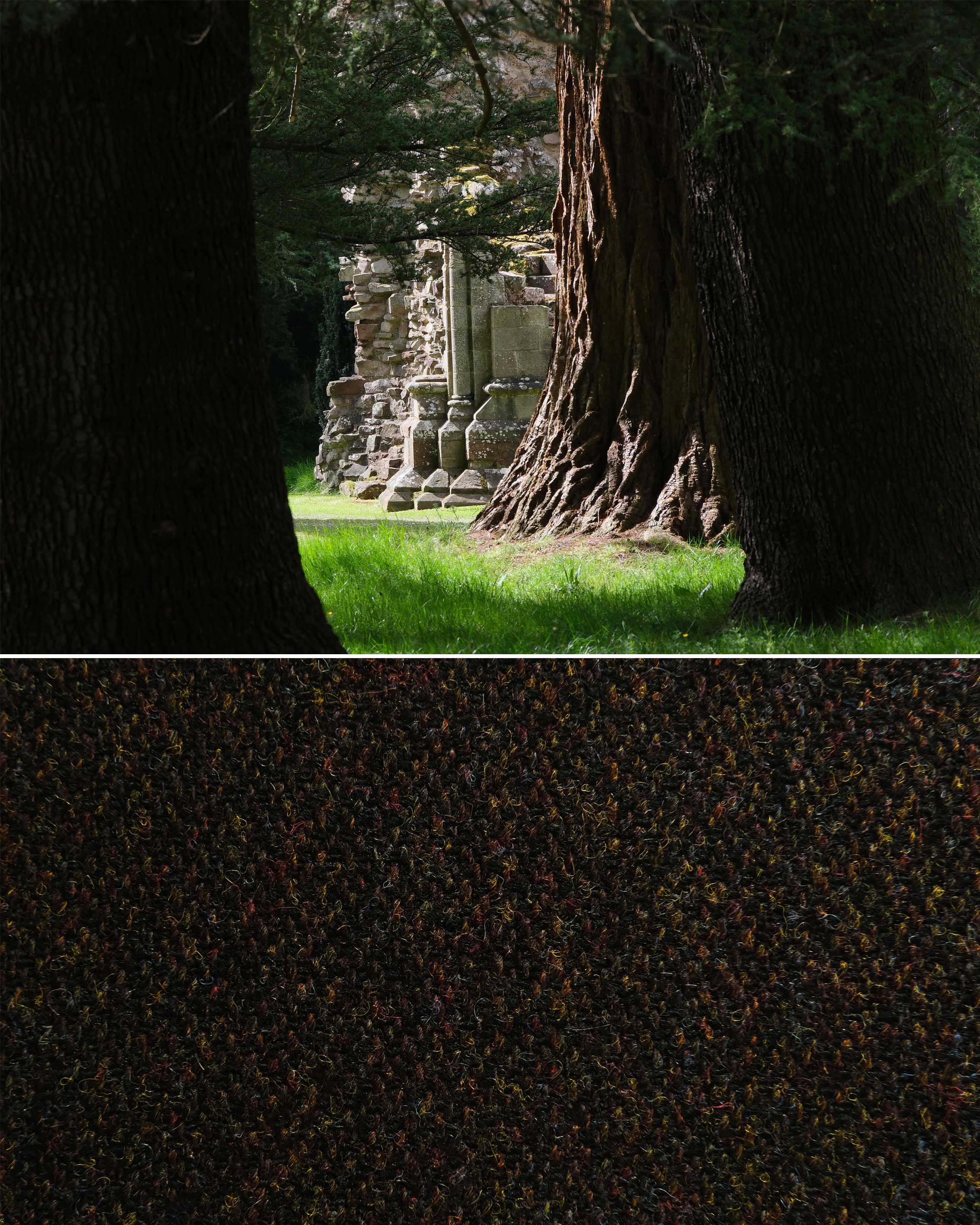
Harris Tweed is a fabric made from pure new wool, sourced exclusively from the Outer Hebrides. It is woven, dyed and spun using traditional methods by the inhabitants of the Scottish islands of Lewis, Harris, Uist and Barra. The tweed’s fascinating colour palette is inspired by nature, which in Scotland is shaped by the Atlantic climate. Clouds, rain and sunshine often change several times a day, giving rise to the well-known Scottish saying ‘four seasons in a day’. This creates particularly captivating lighting conditions for photographers. On my travels across the Scottish mainland and the islands of Skye, Mull, Iona, Lewis and Harris, I was able to follow the production of tweed fabrics at every stage, from shearing the sheep and dyeing with natural pigments to spinning and weaving. The variety of products made from these fabrics ranges from blazers, jackets, trousers and kilts to bags, shoes, blankets and accessories. The impressive array of designs is partly based on traditional tartan patterns and is constantly being expanded with new creations. I realised just how strongly the colour palette is inspired by nature whilst examining tweed fabric samples, which were kindly provided to me by the House of Scotland in Vienna. The striking colour similarities between many of the tweed patterns and my photographs inspired me to undertake this project.
Heading West




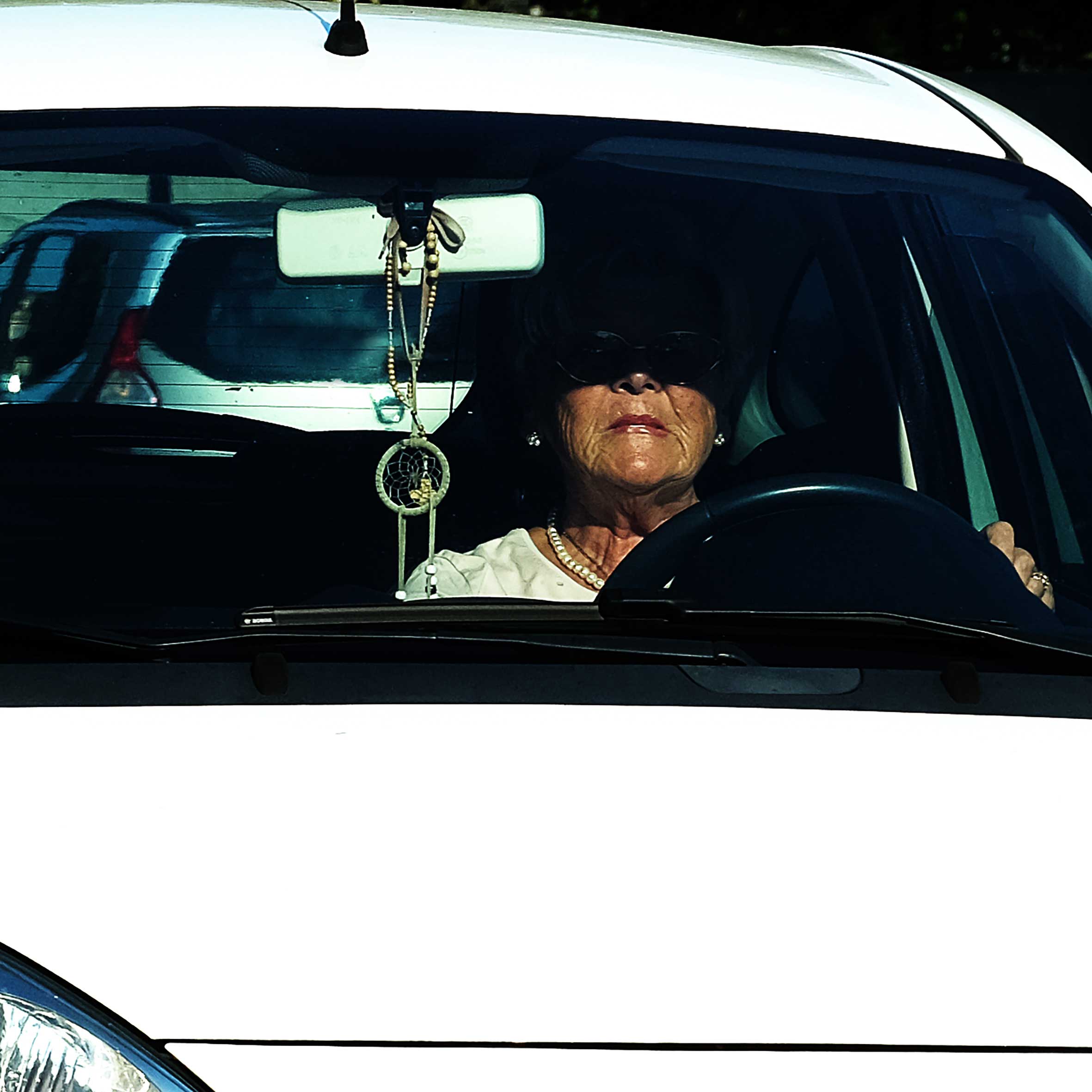
When driving westwards in the evening, you should expect to be dazzled by the low sun. Sun visors and sunglasses protect your eyes and cast a shadow over the upper half of your face. Everyone behind the wheel should follow the same rules, but you are free to personalise your vehicle with accessories.
U6 – The Vienna Connection
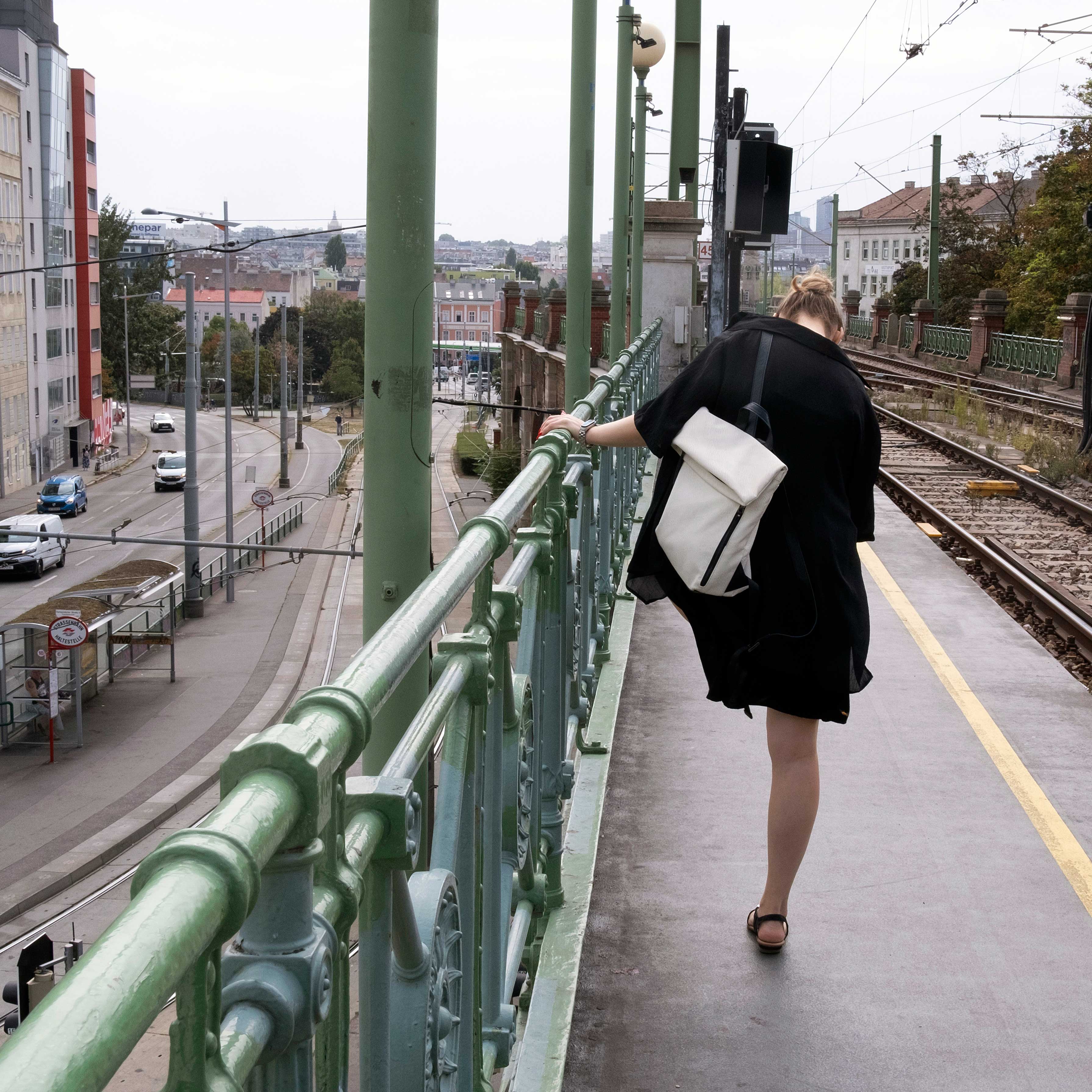
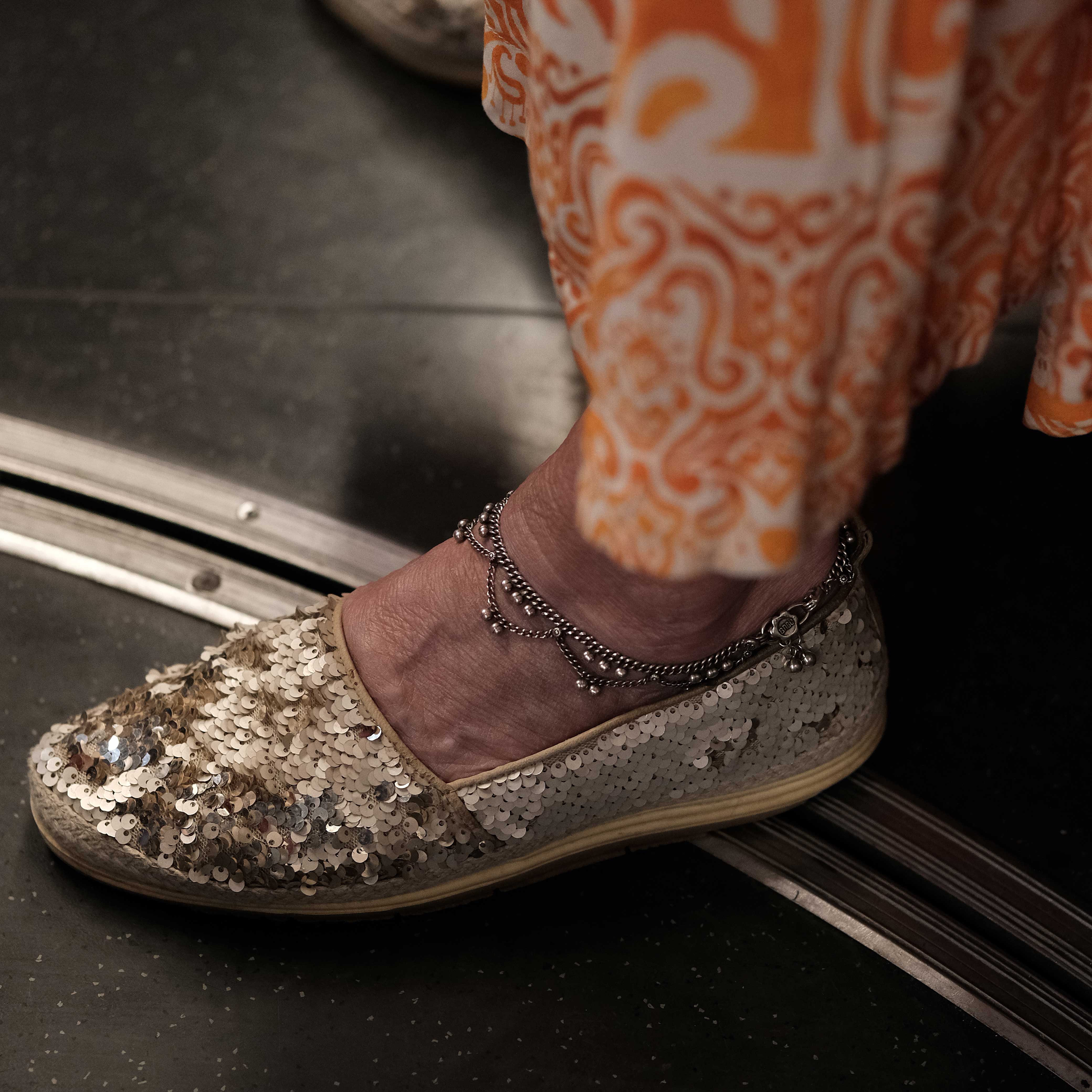

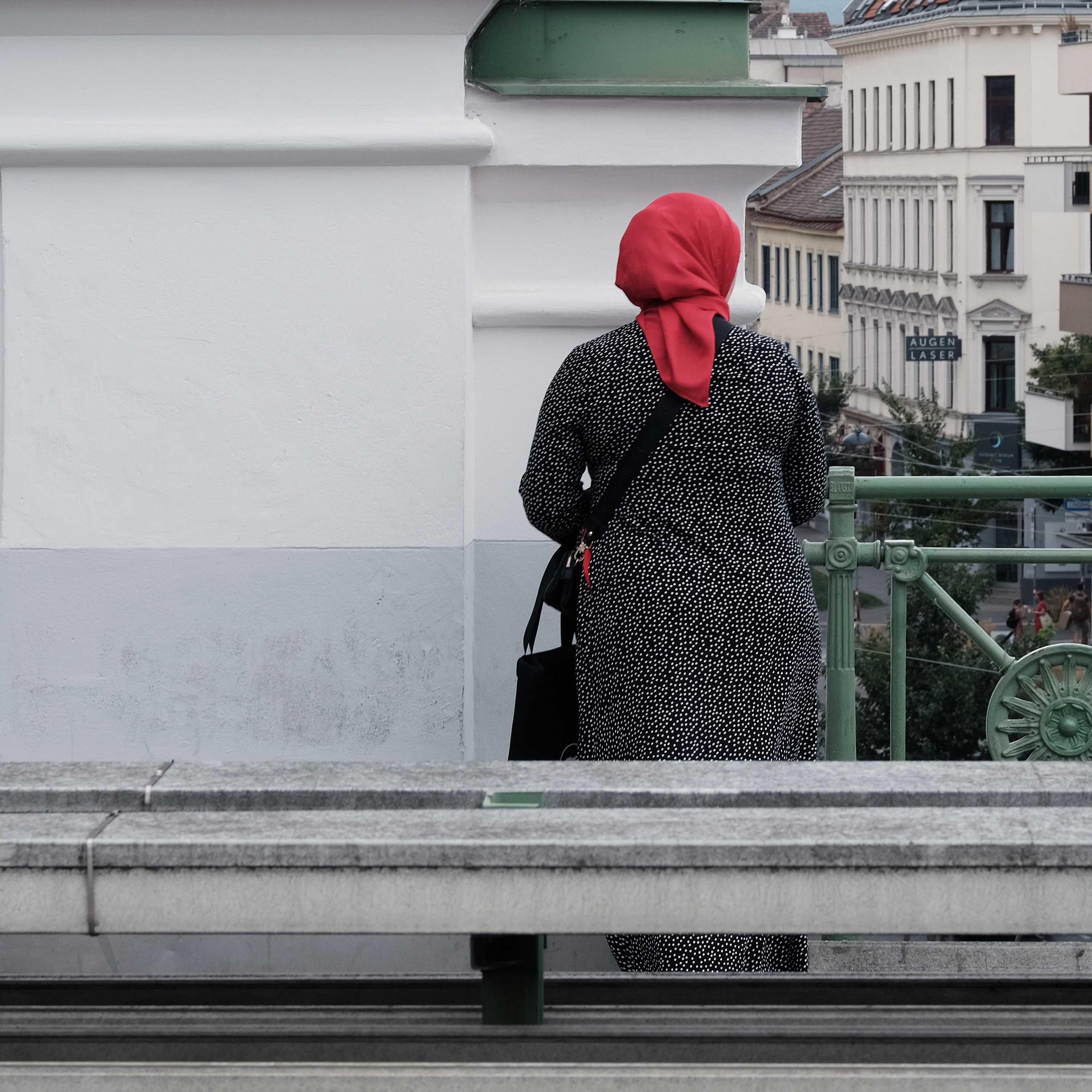









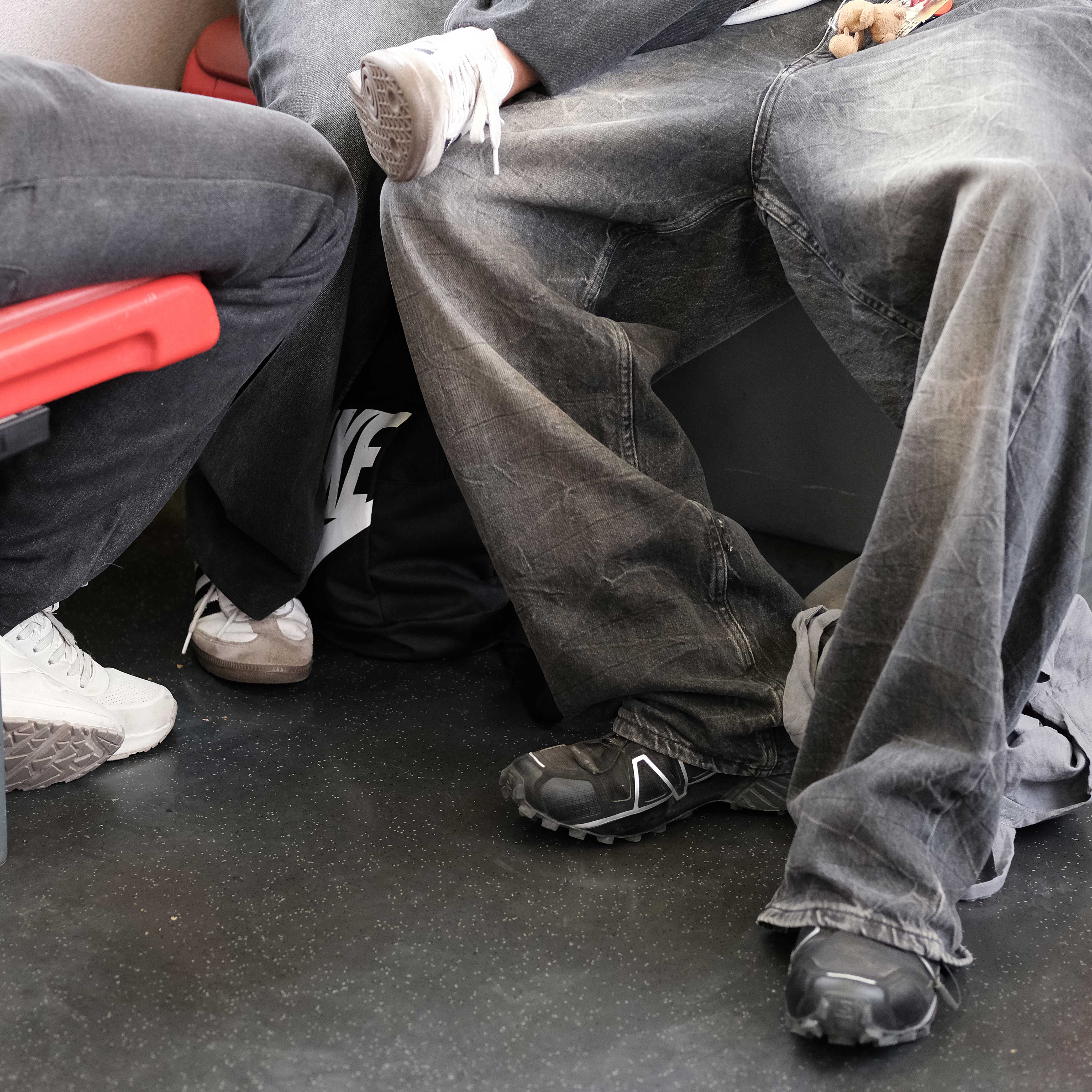
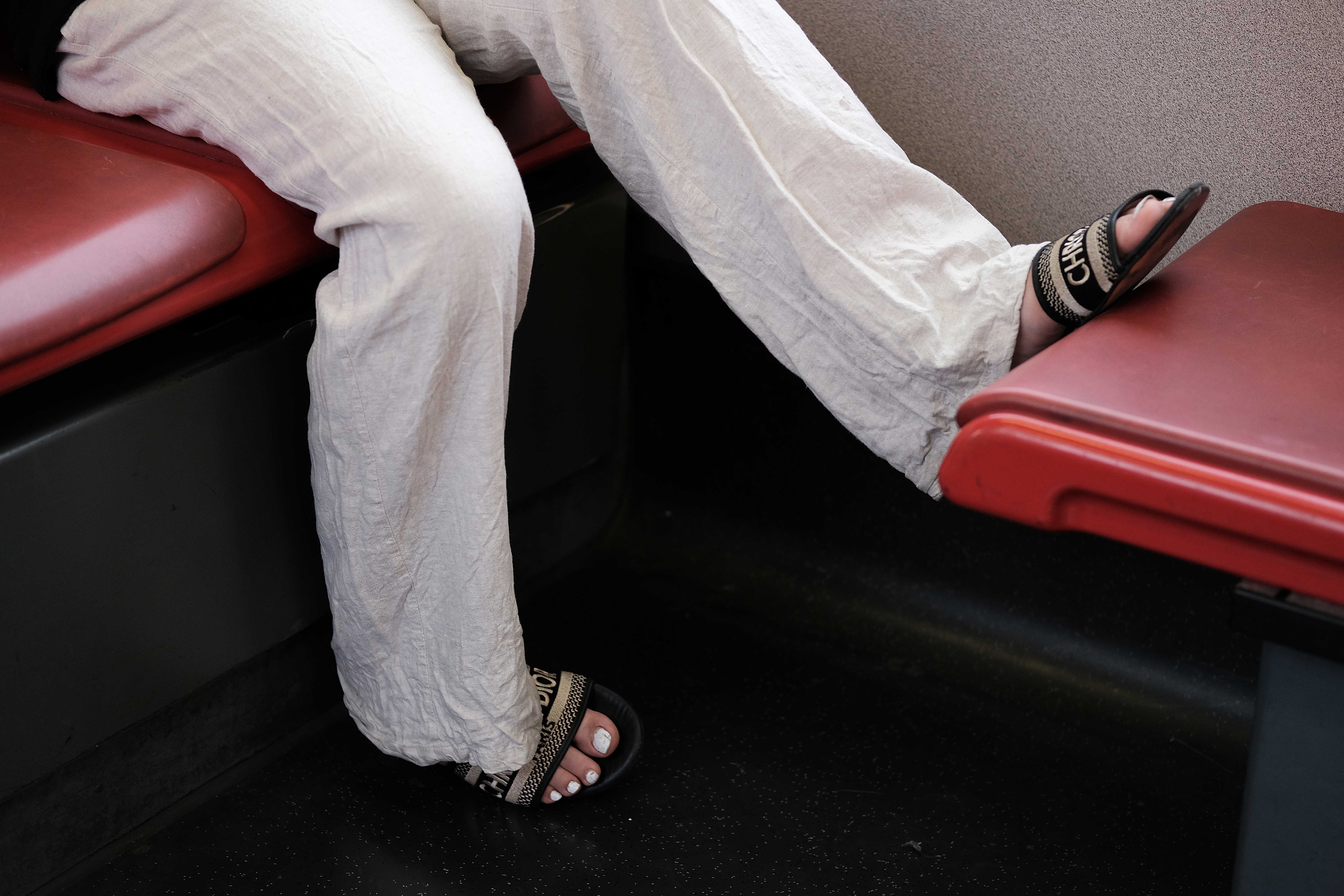
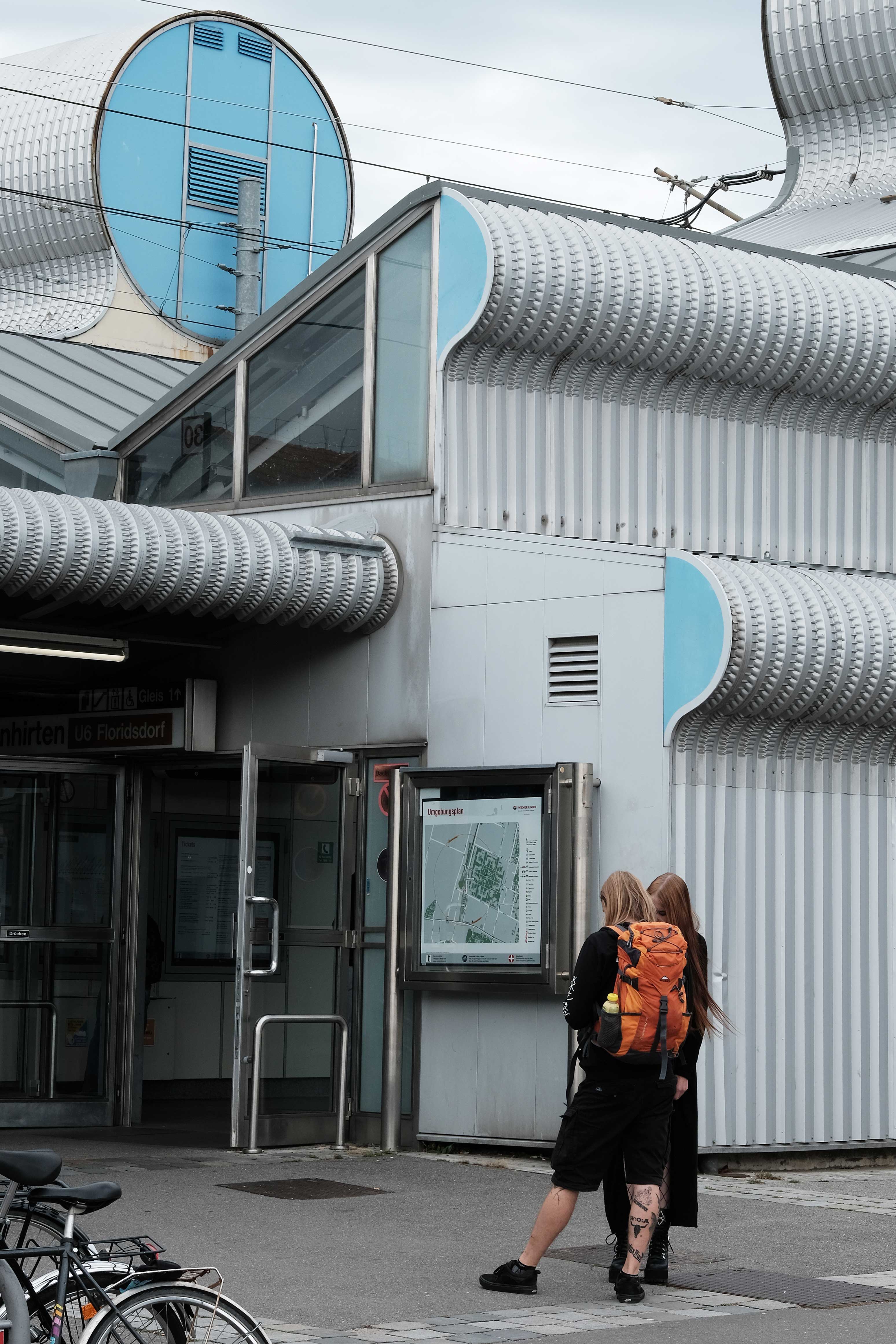
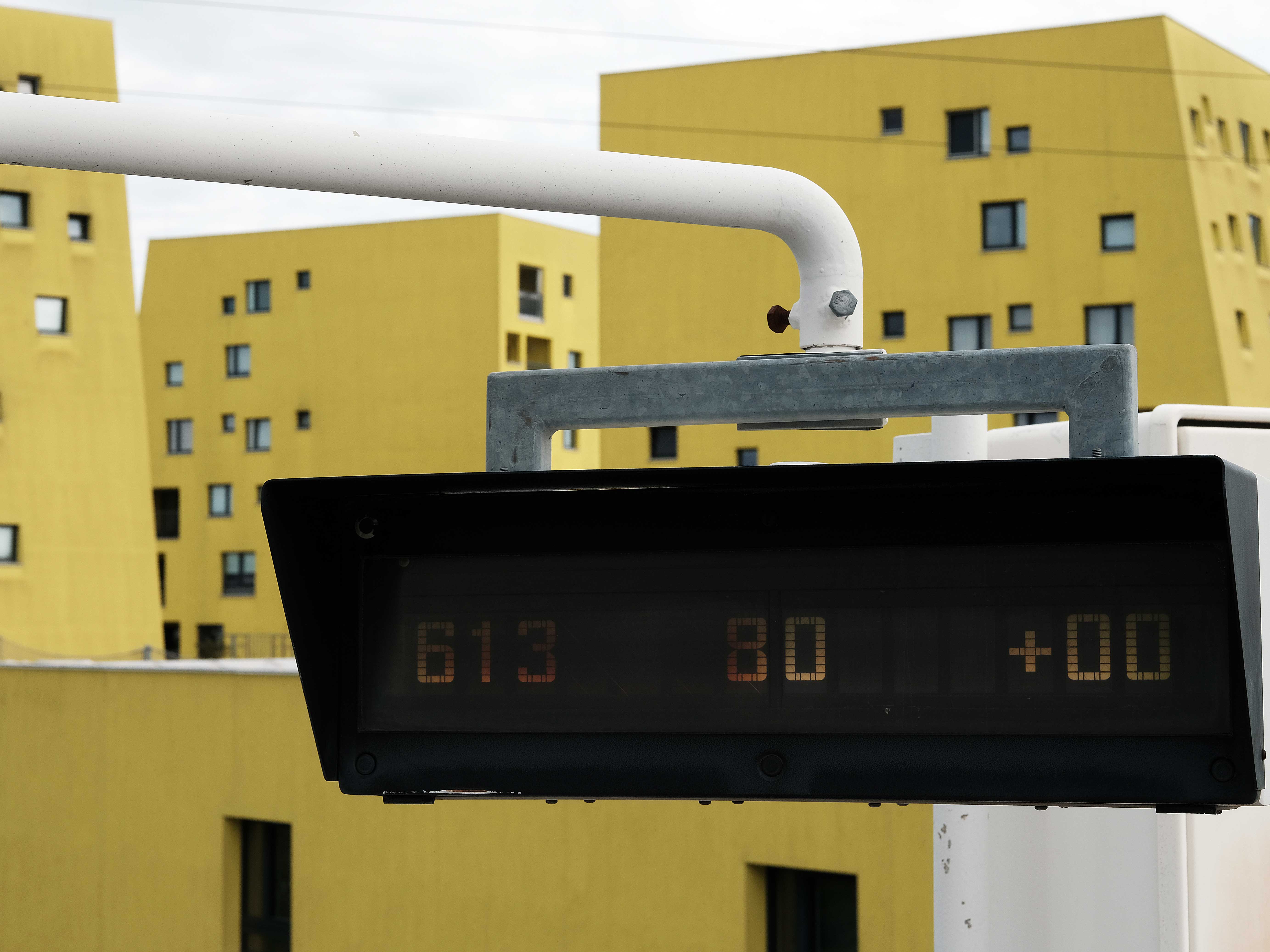
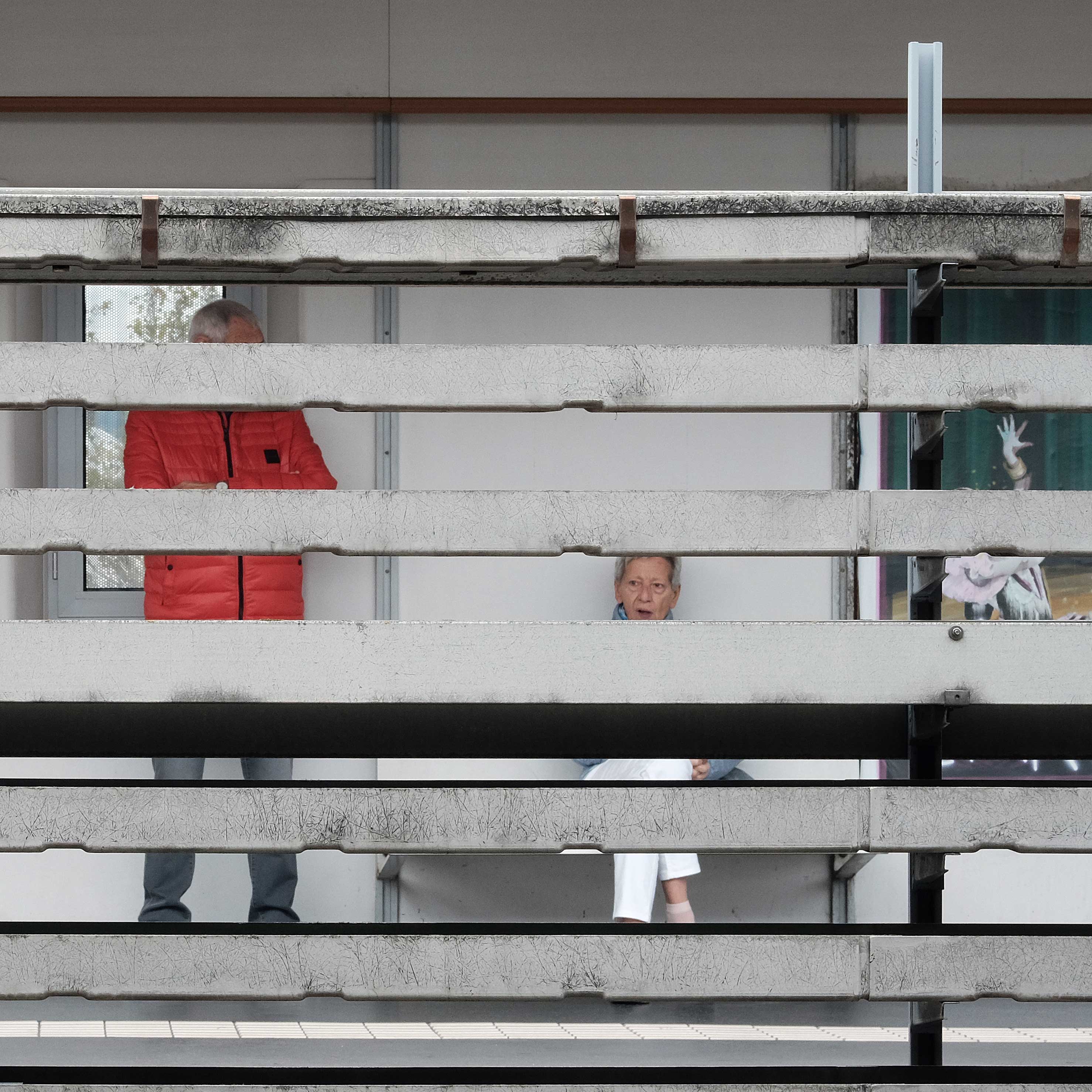
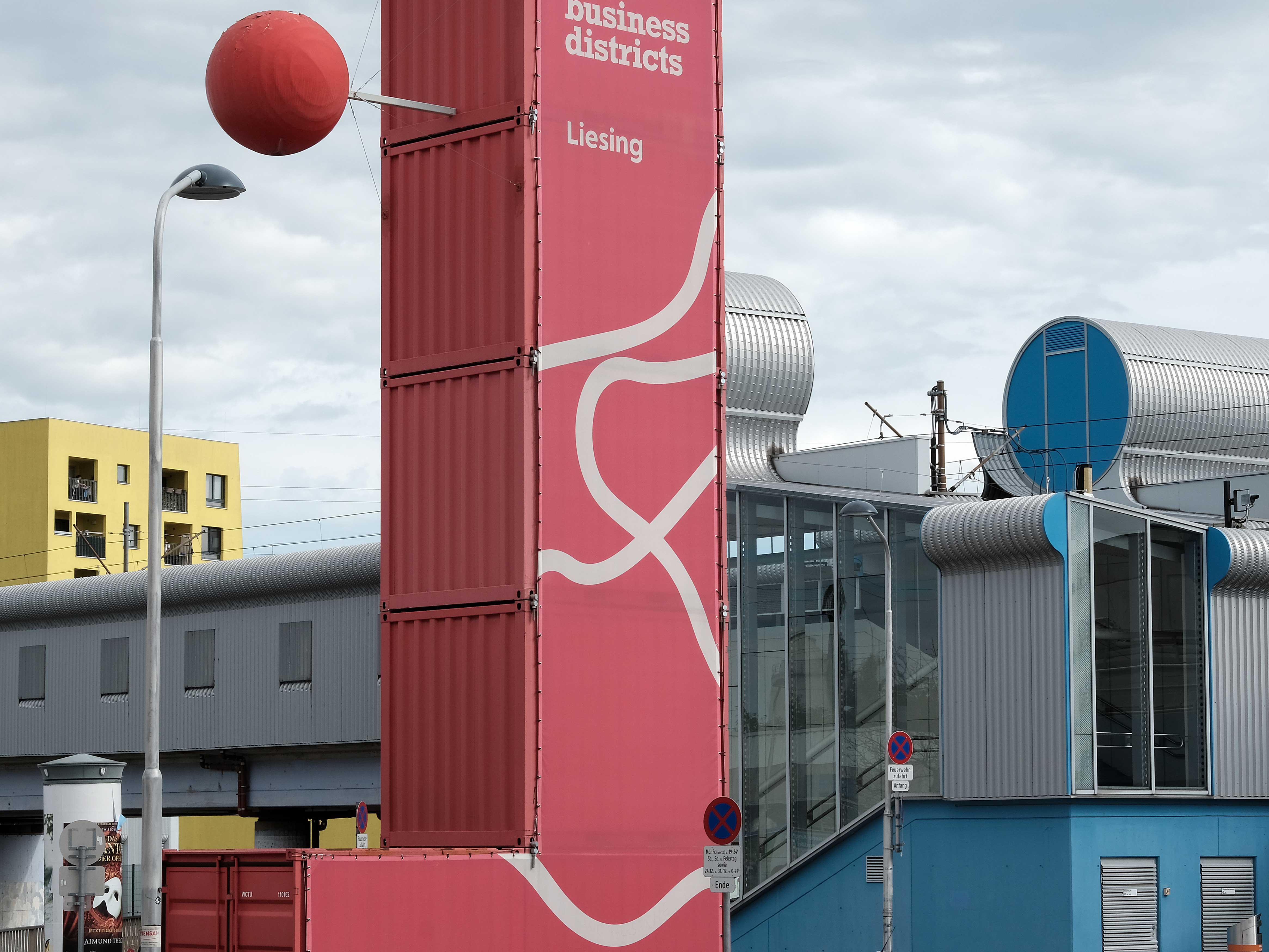
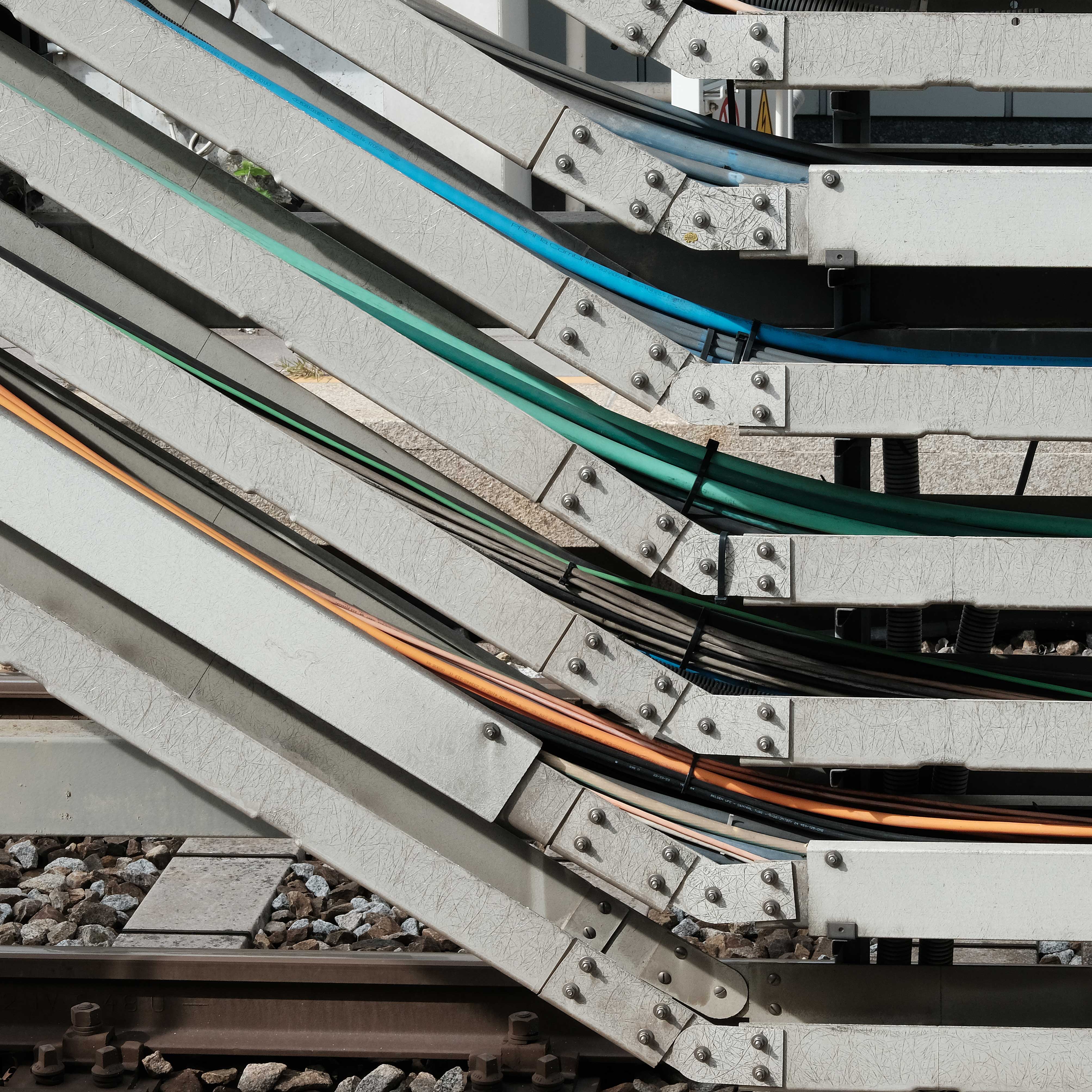
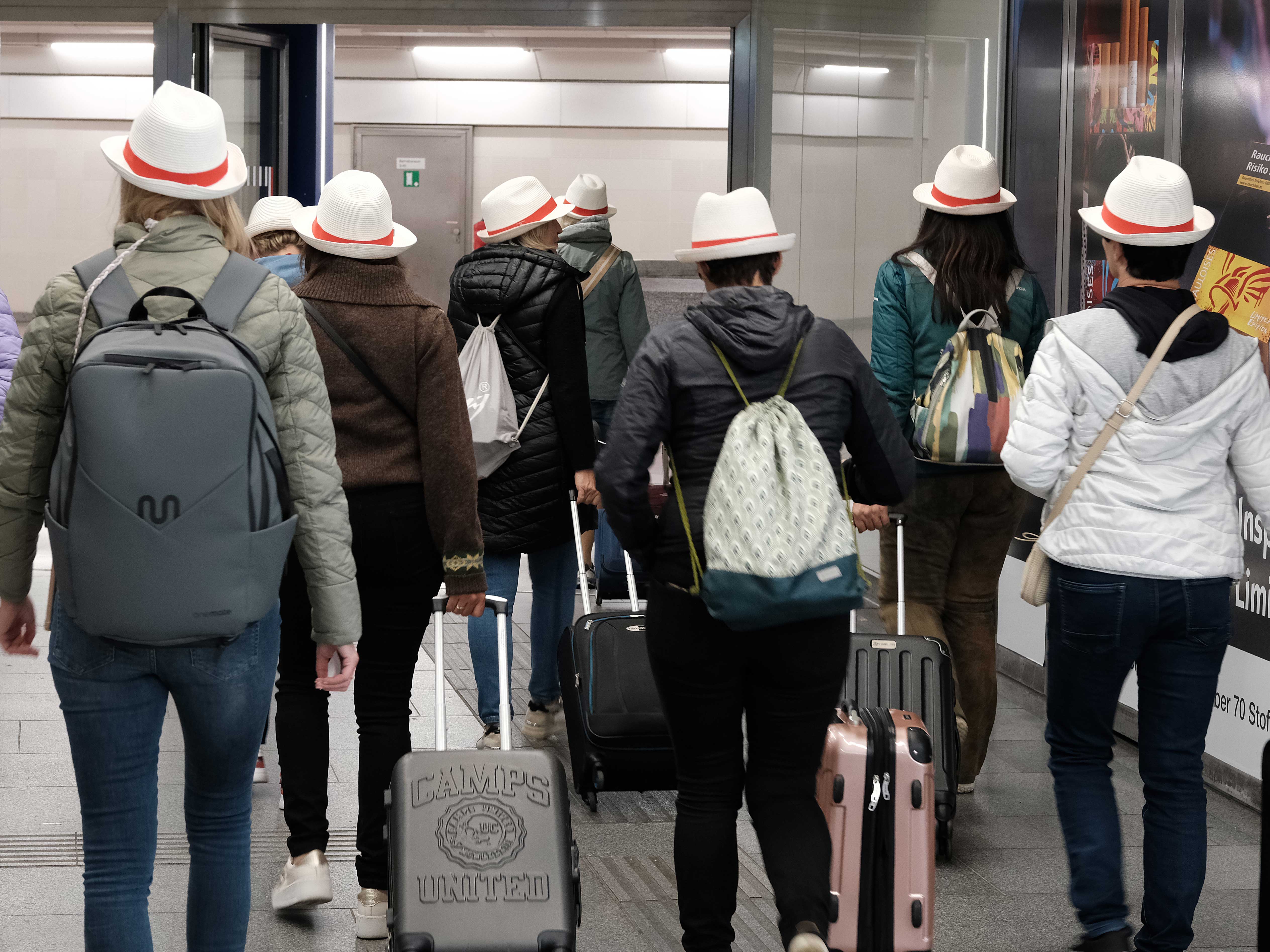
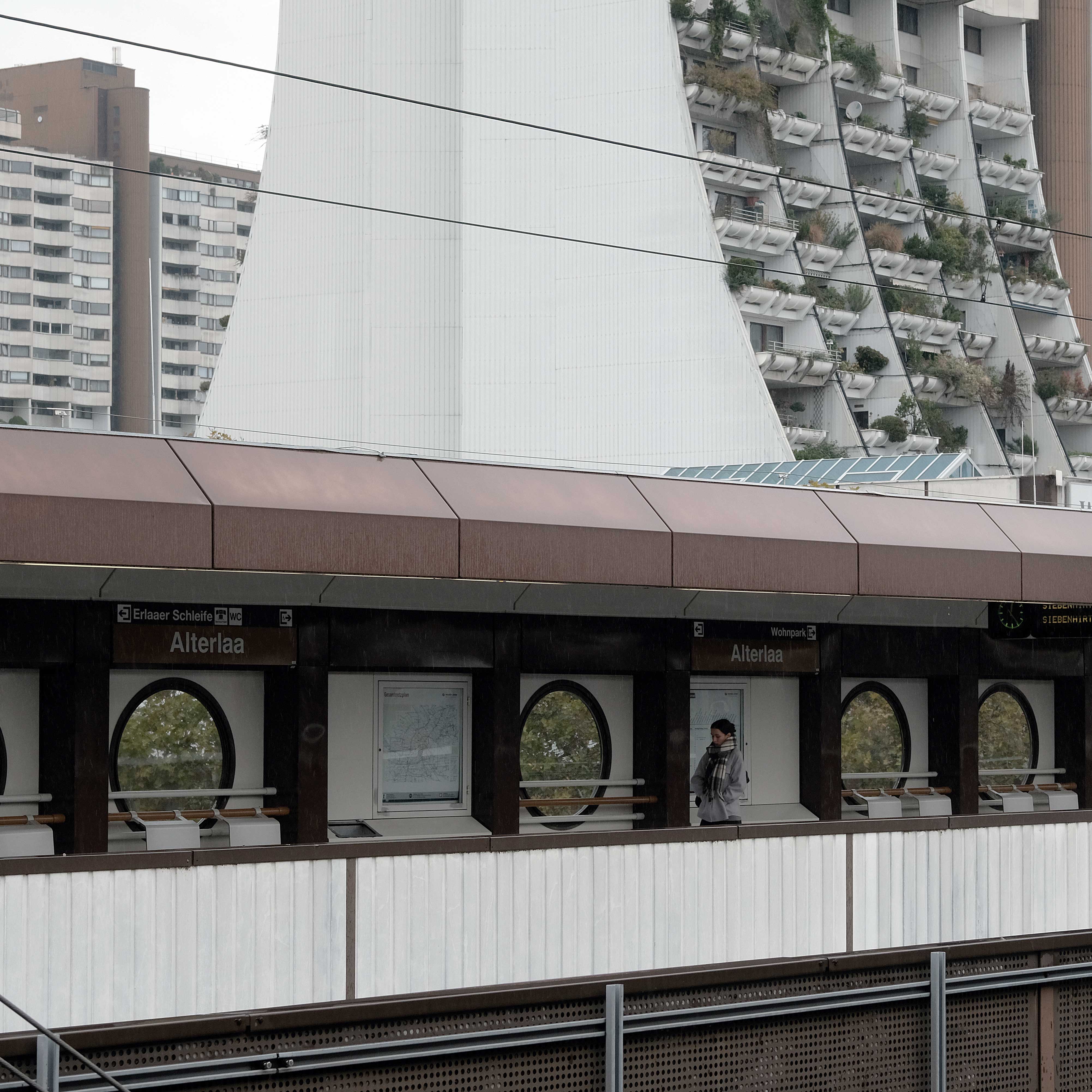
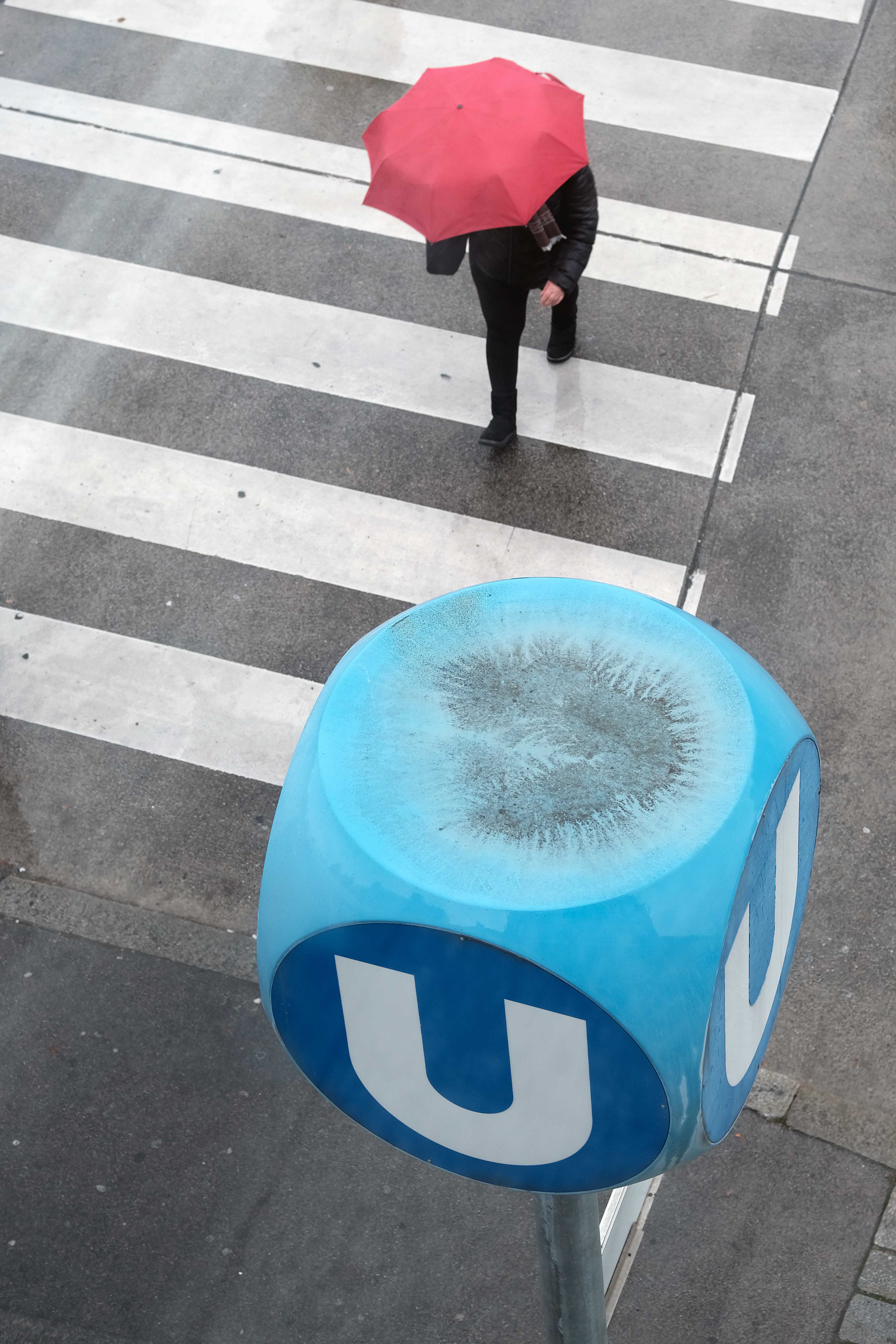
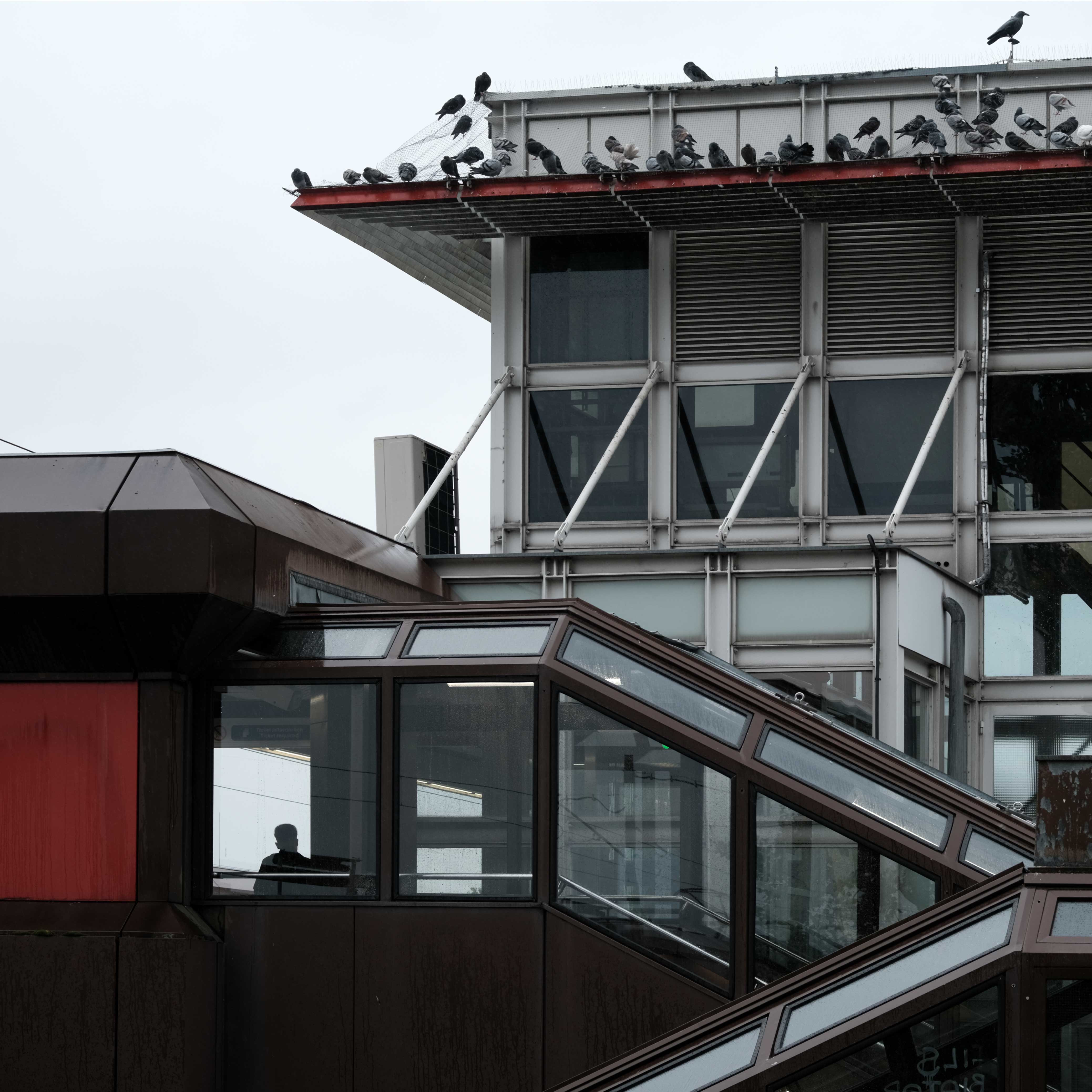
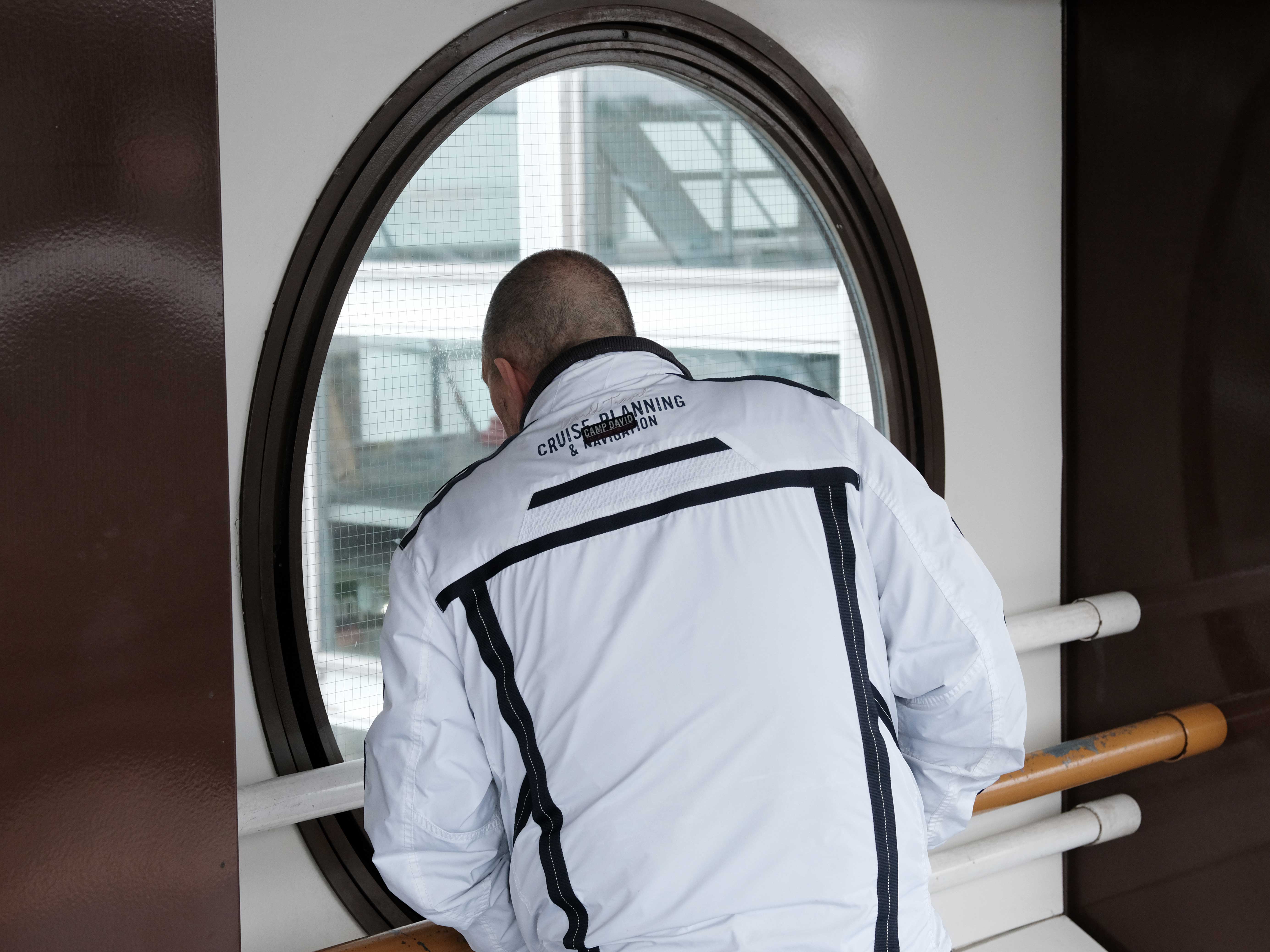
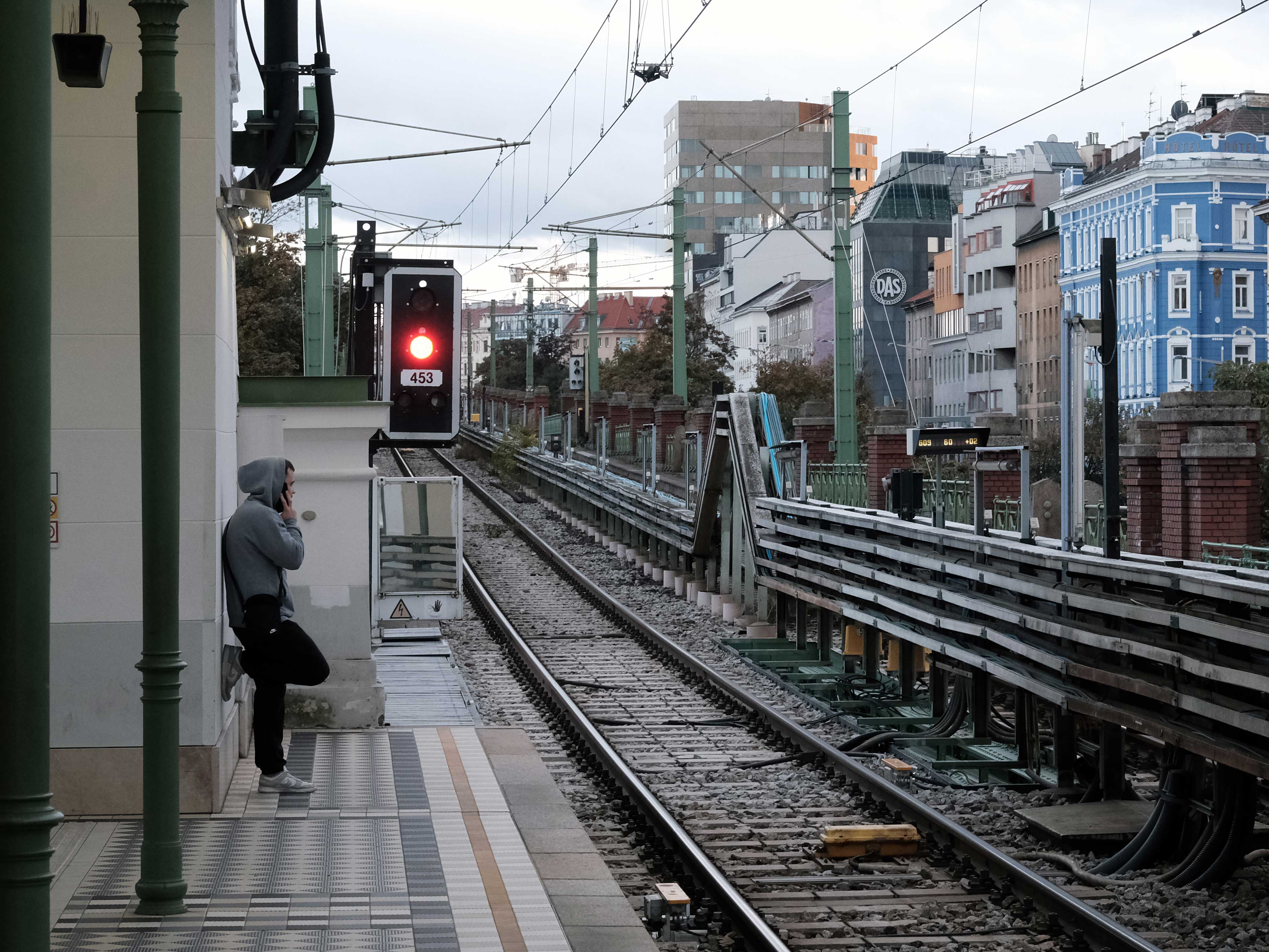
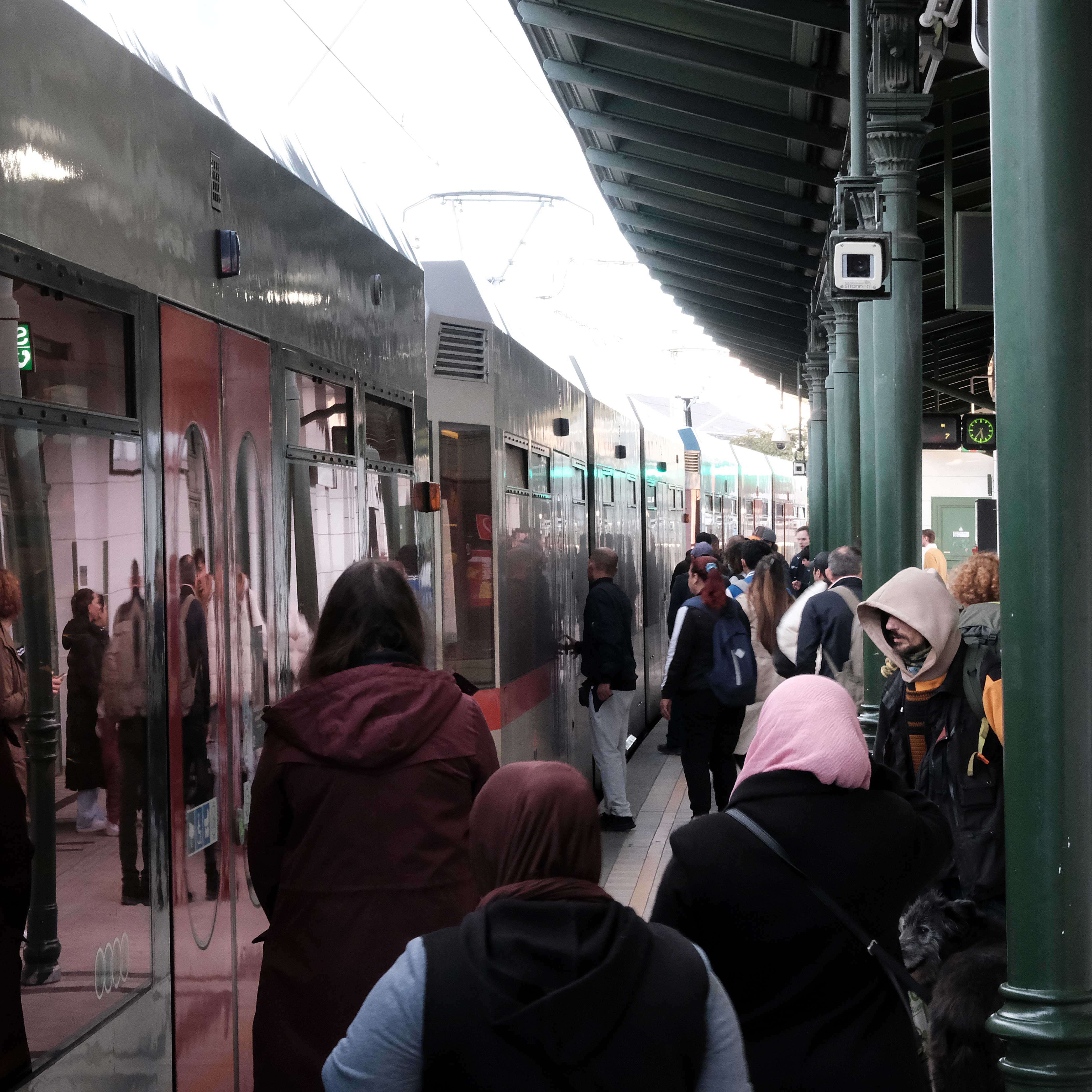
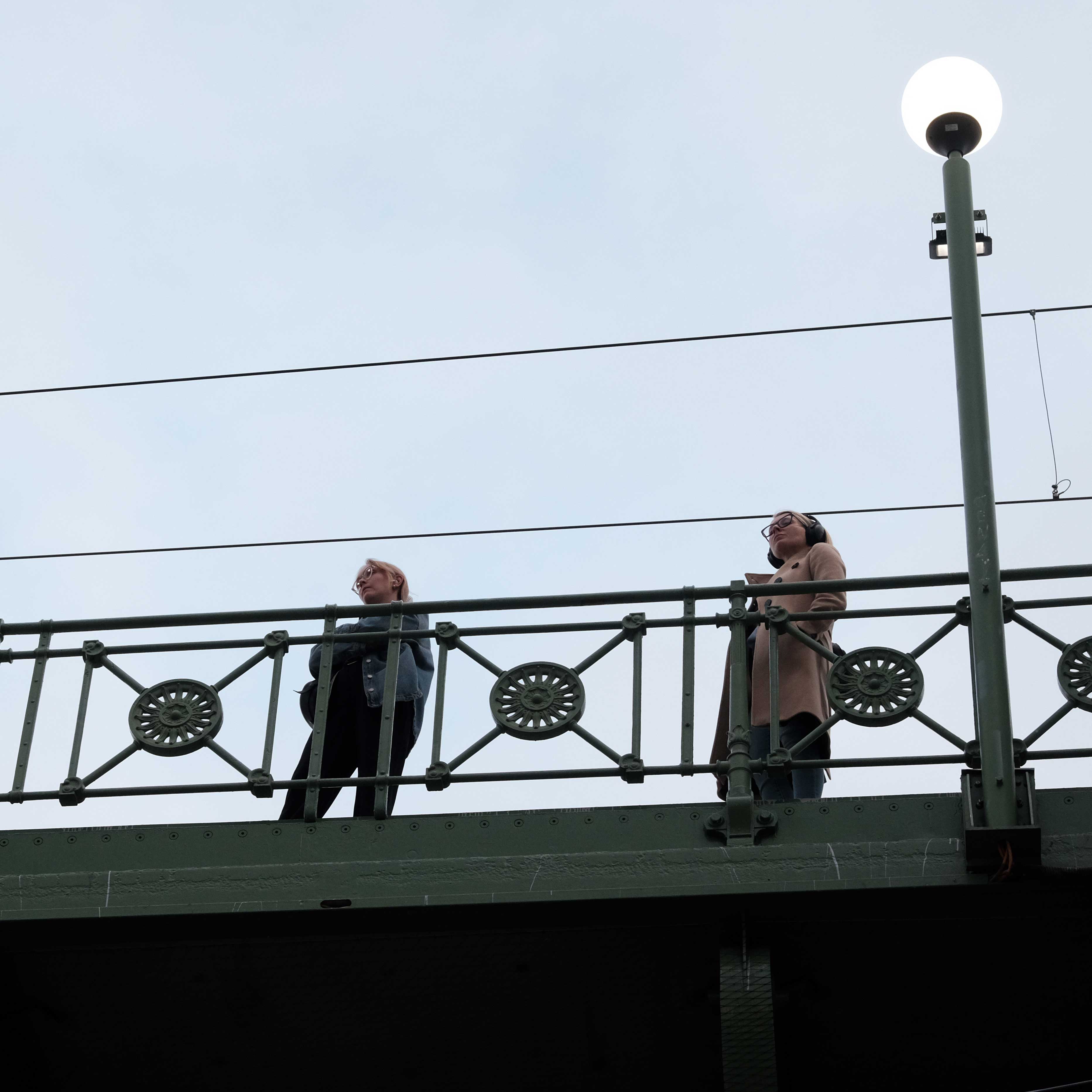

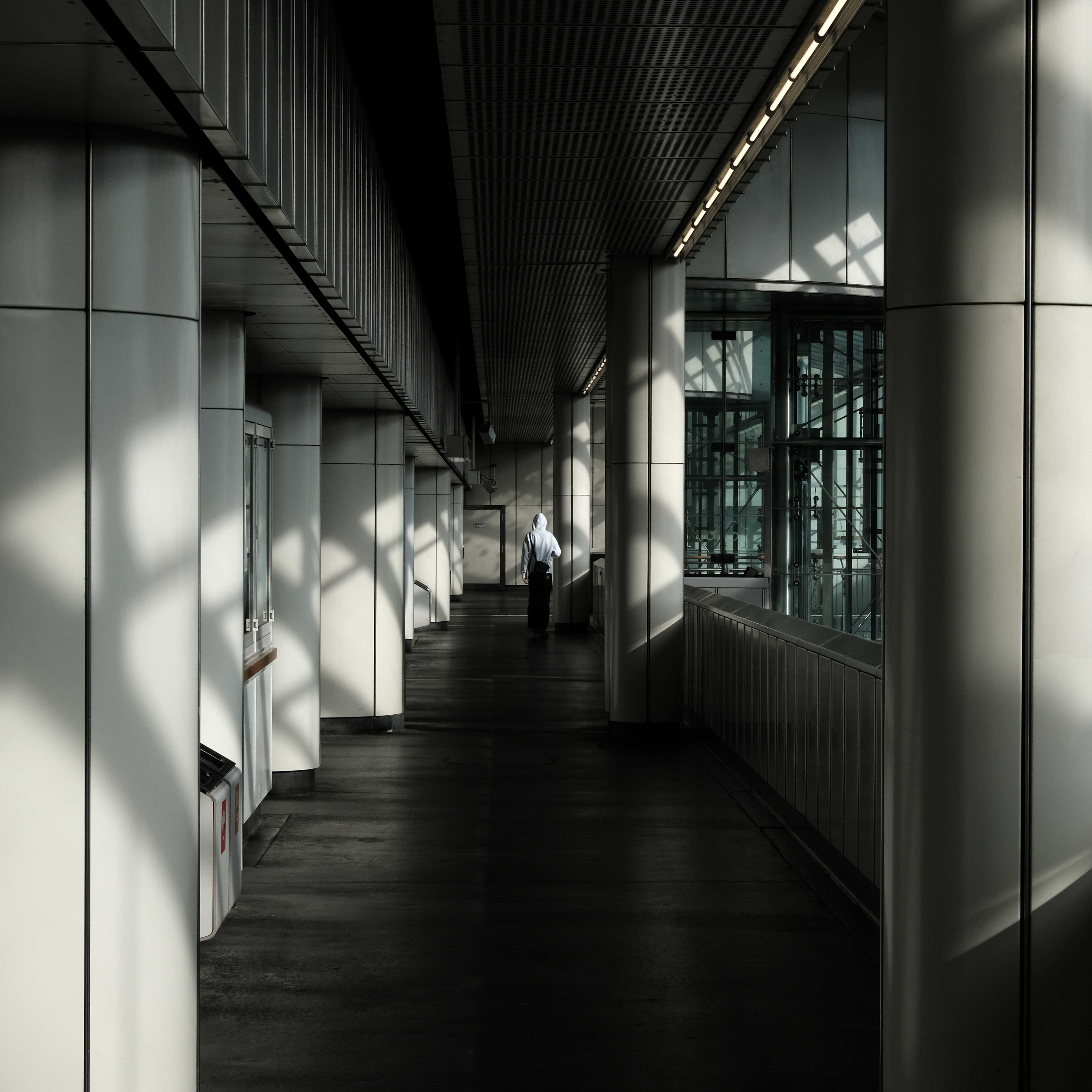
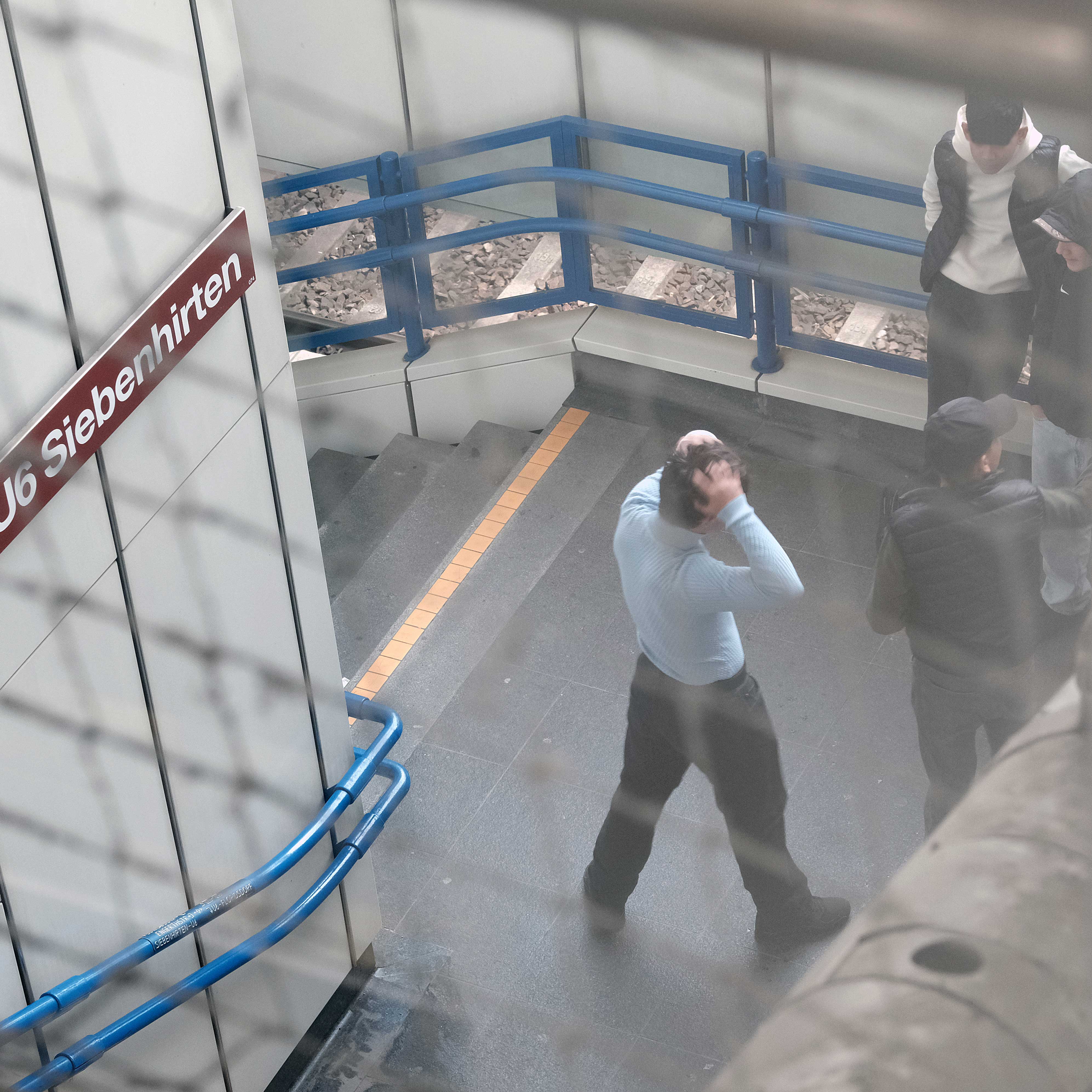
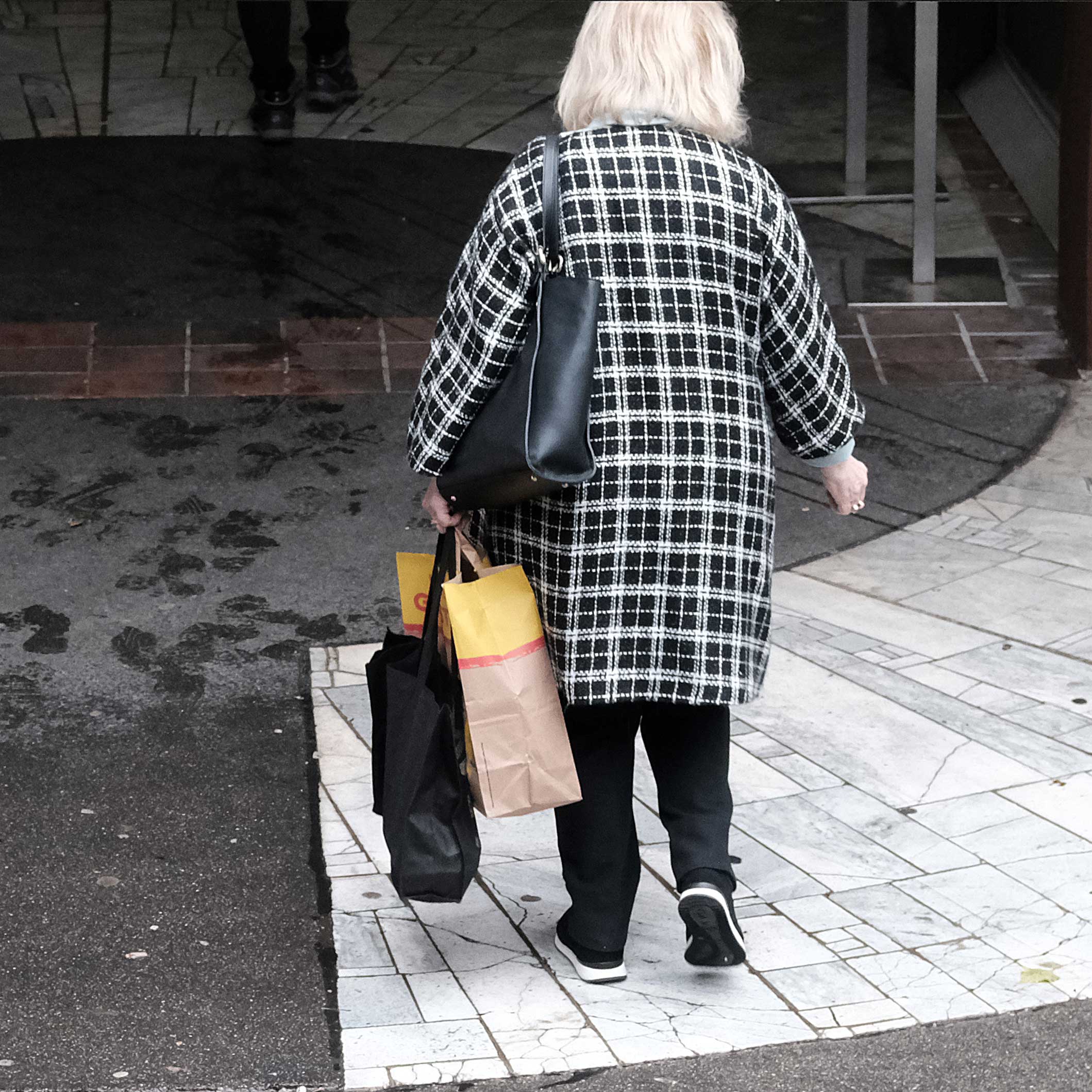
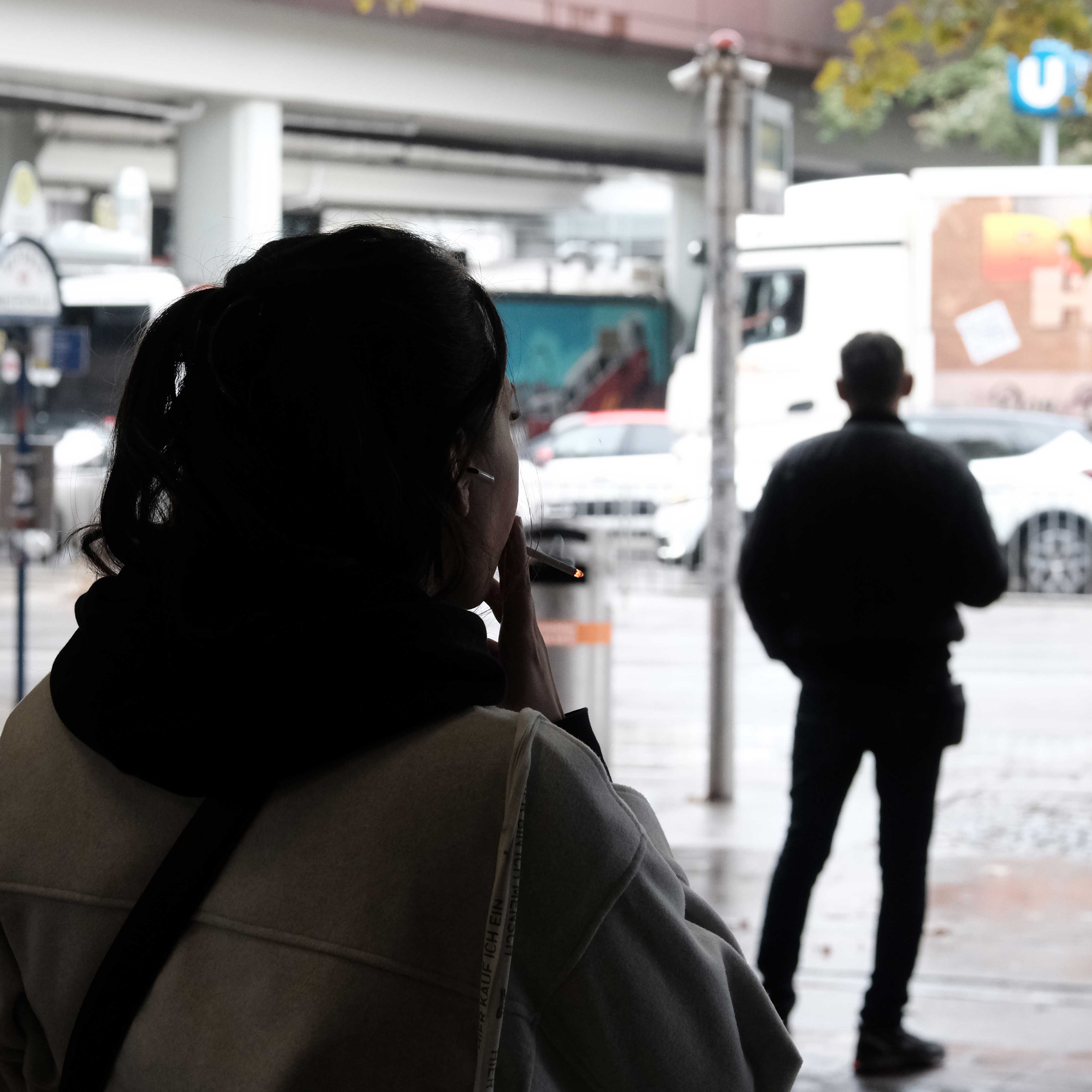
Passengers on the U6 underground line reflect the cultural diversity of Vienna’s population. On average, around 255,000 people use this form of public transport every day. The U6, which runs mainly above ground, stops at 24 stations and connects the north and south of Vienna. The oldest station buildings, bridges and viaducts were designed by Art Nouveau architect Otto Wagner around 1900 for the Vienna Steam Tramway. In the 1990s, the Viennese architect Johann Georg Gsteu designed six new stations in the south of Vienna with modern cladding made of aluminium sheets.